Rajasthan, India
About Jaipur
The Pink City test
A city born of vision
By the early 18th century, the ruling Kachhwaha Rajputs had outgrown their hilltop capital at Amer. In 1727, the astronomer-king Sawai Jai Singh II founded a new city on the plains below and named it after himself — Jaipur, "the city of Jai".
He entrusted its design to the Bengali scholar-architect Vidyadhar Bhattacharya, who planned nine rectangular sectors (chowkris) around wide, straight avenues — a rare feat of town planning for its time.
A colour of welcome
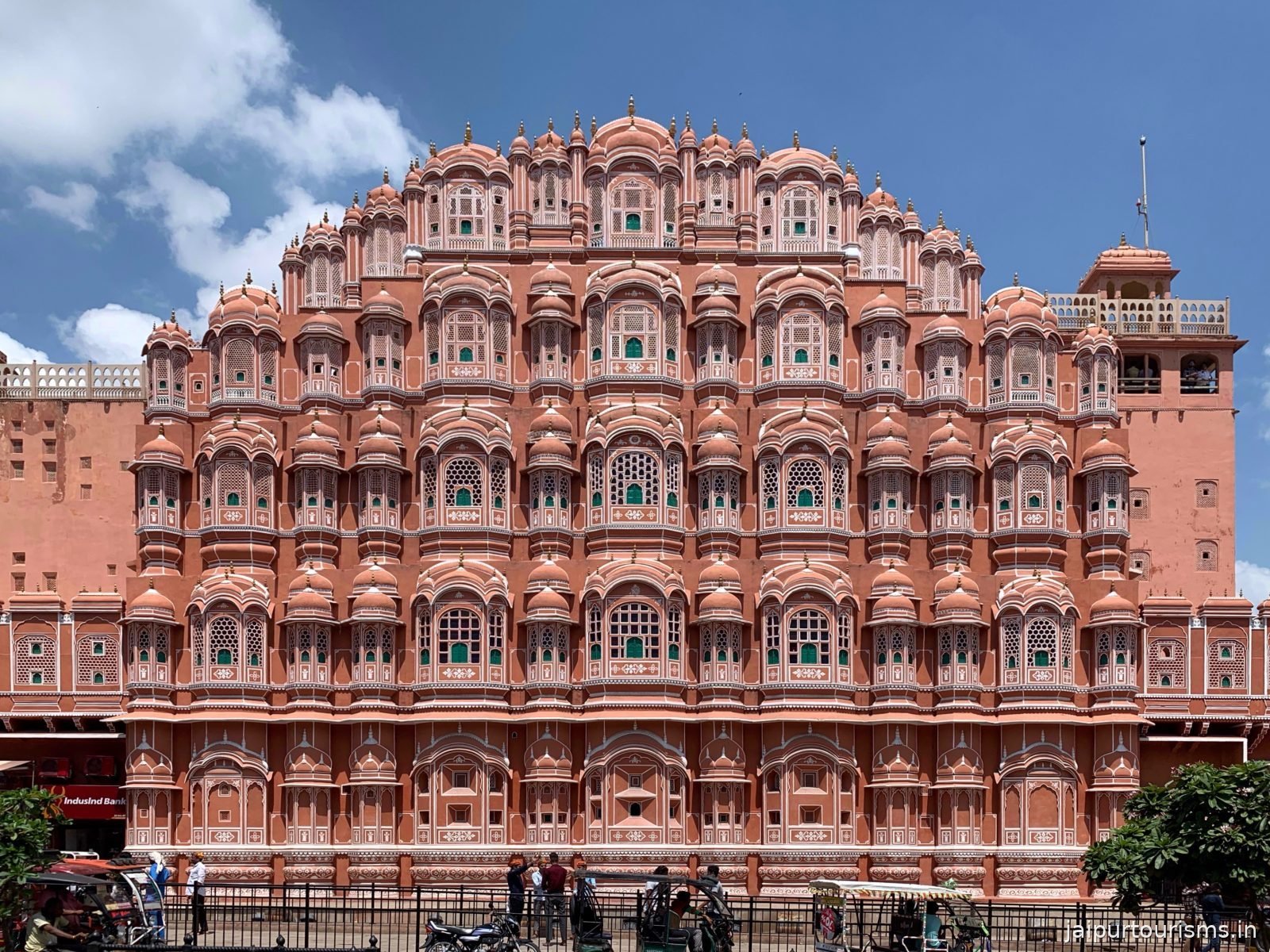
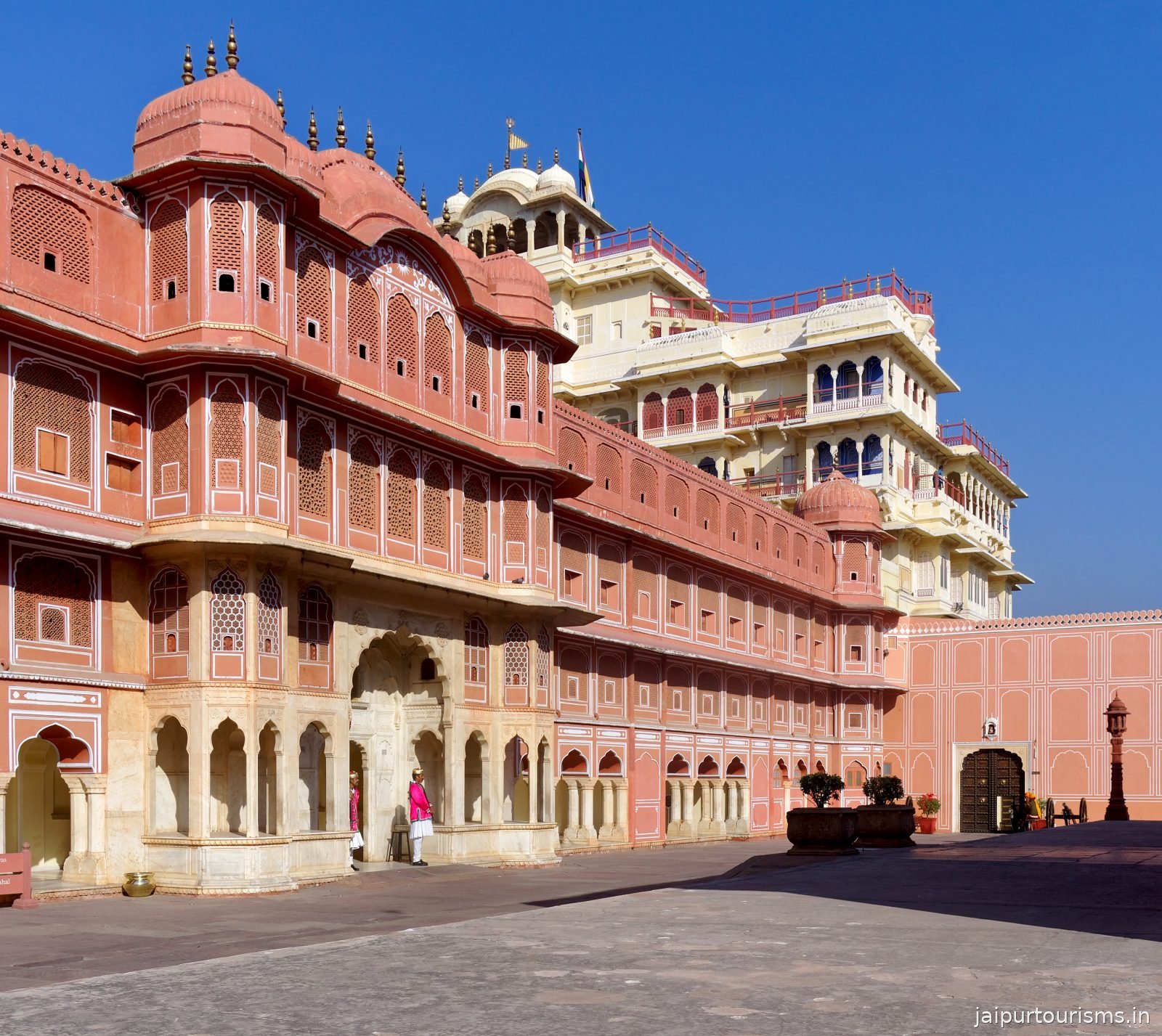
In 1876, Maharaja Sawai Ram Singh II had the entire old city painted in a warm terracotta pink — traditionally the colour of hospitality — to welcome Albert Edward, the Prince of Wales (later King Edward VII).
The colour stuck. To this day, buildings within the walled city are required by law to keep their distinctive pink hue, and Jaipur is known the world over as the Pink City.
A UNESCO World Heritage City
In 2019, the walled city of Jaipur was inscribed as a UNESCO World Heritage Site, recognised for its exceptional urban planning, grid layout and blend of ancient Hindu, Mughal and contemporary Western ideas.
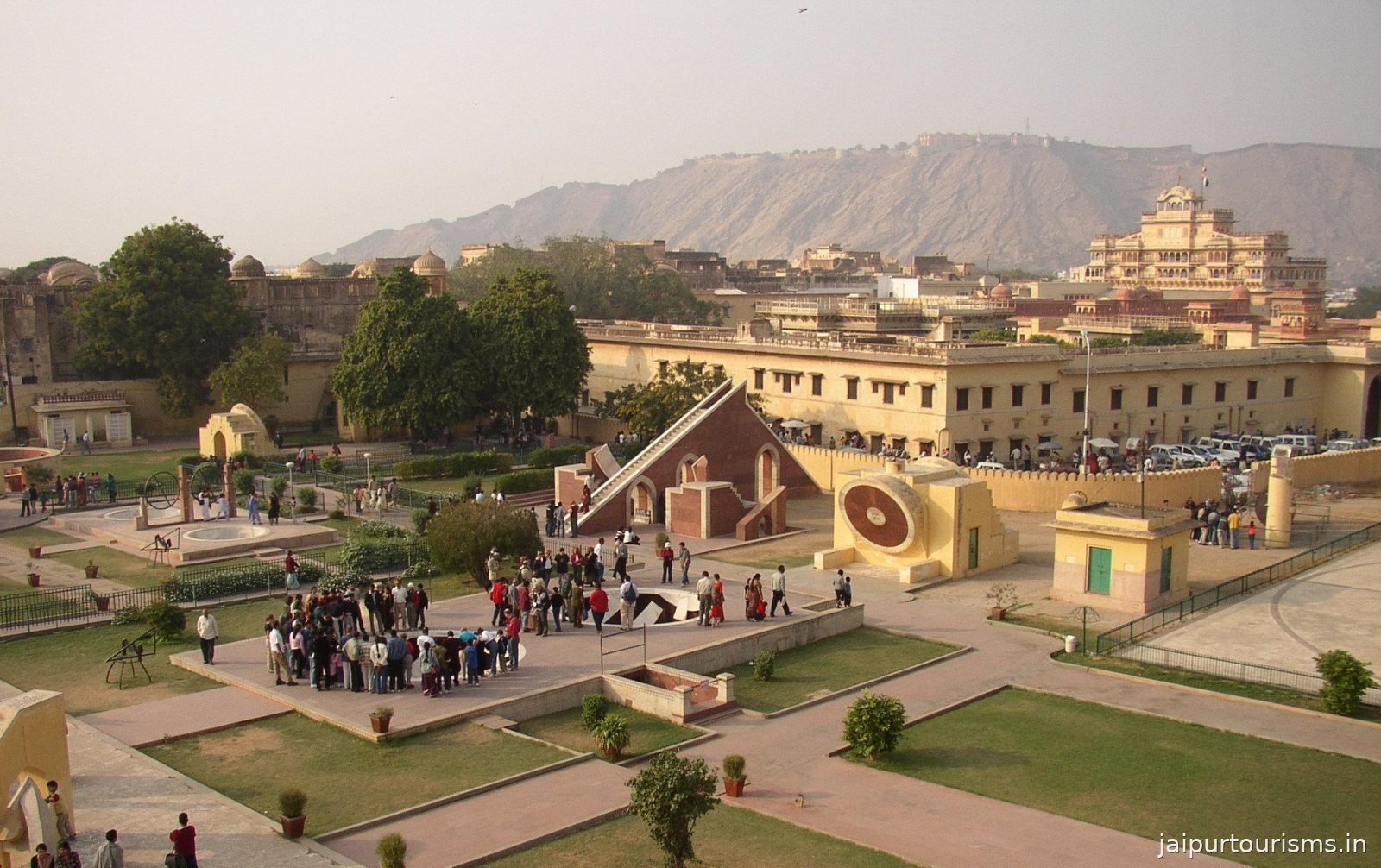
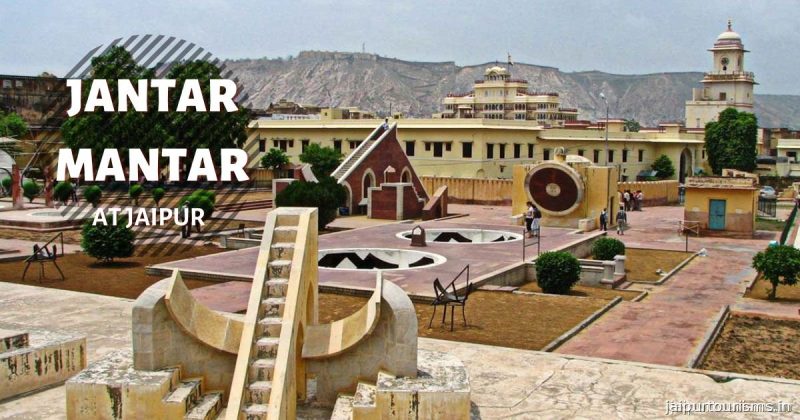
Jai Singh II was also a passionate astronomer. His observatory, Jantar Mantar, houses nineteen monumental instruments — including the world's largest stone sundial — and is itself a separate UNESCO World Heritage Site.
Art, craft & flavour
Jaipur is a treasure house of craftsmanship — famed for gems and kundan-meenakari jewellery, blue pottery, block-printed and bandhani textiles, and leather juttis.
Its kitchens serve up Rajasthan's most beloved dishes: Dal Baati Churma, Pyaaz Kachori, the fiery Laal Maas and the celebratory sweet Ghewar.
Key Moments
Three centuries in a few dates
Sawai Jai Singh II Ascends the Throne
An eleven-year-old prince inherits Amber and sets Jaipur's story in motion.
Foundation of Jaipur
Sawai Jai Singh II founds a new, meticulously planned capital on the plains.
The City Palace is Built
A magnificent royal residence rises at the heart of the new city.
Jantar Mantar Completed
The astronomer-king completes his grandest observatory.
Iconic Attractions
The landmarks that define the Pink City
 paid
Featured
paid
Featured
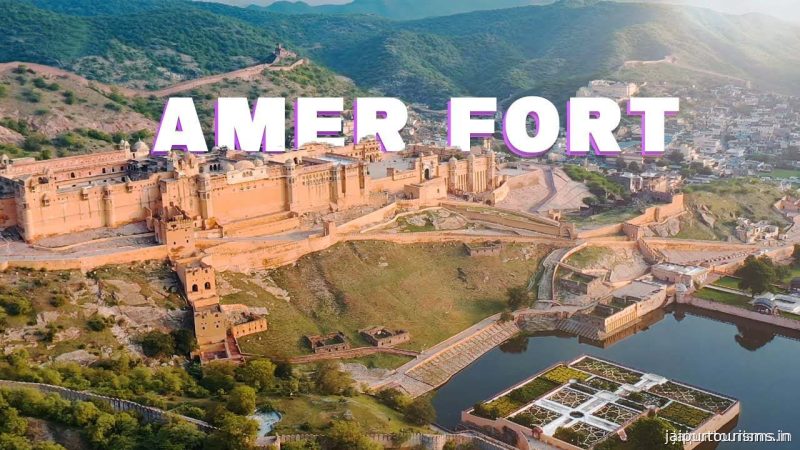
Amer Fort
Amer, Jaipur
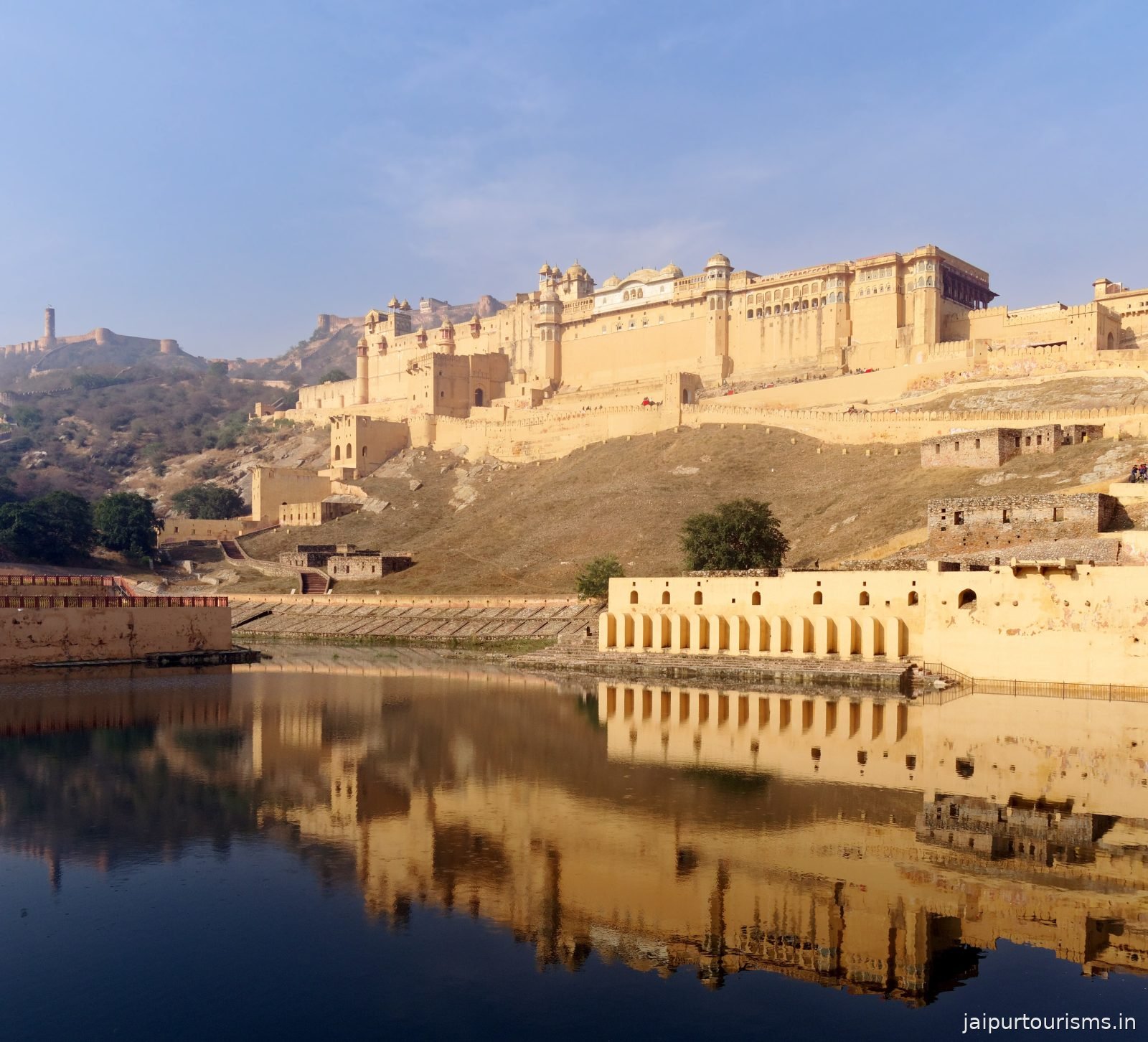
A majestic hilltop fort of red sandstone and marble overlooking Maota Lake, and a UNESCO World Heritage Site.
 paid
Featured
paid
Featured
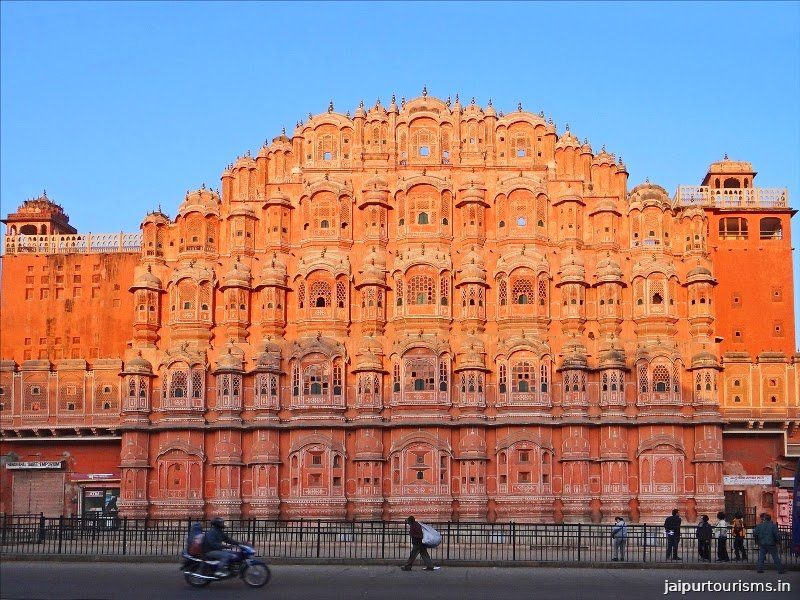
Hawa Mahal
Badi Chaupar, Jaipur
The iconic five-storey pink sandstone facade with 953 latticed windows (jharokhas).
 paid
Featured
paid
Featured
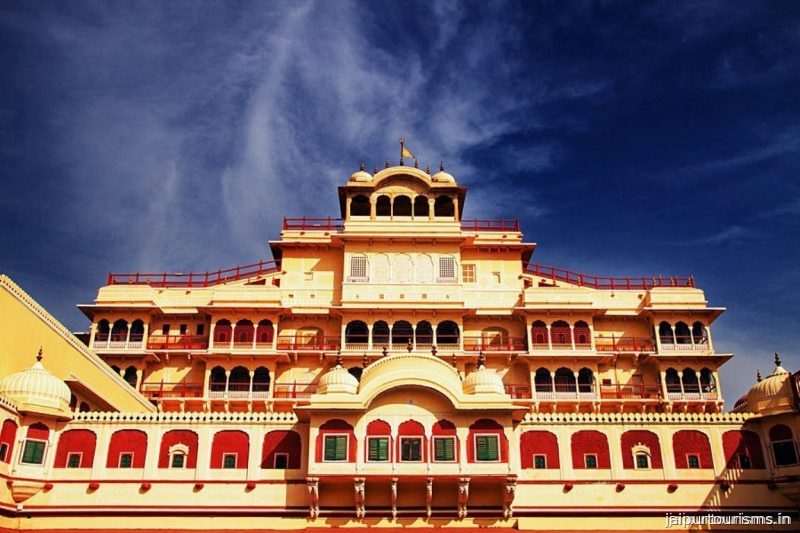
City Palace
Jalebi Chowk, Jaipur
A grand palace complex with Chandra Mahal, Mubarak Mahal, courtyards and museums, still partly home to the royal family.
 paid
Featured
paid
Featured
Jantar Mantar
Kanwar Nagar, Jaipur
A UNESCO World Heritage collection of 19 monumental masonry astronomical instruments, including the world's largest stone sundial.
 paid
Featured
paid
Featured
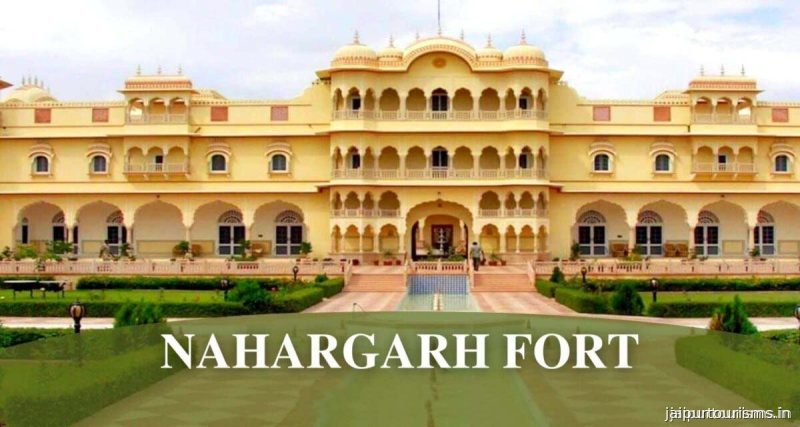
Nahargarh Fort
Krishna Nagar, Brahampuri, Jaipur
A ridge-top fort offering sweeping views over Jaipur, with the Madhavendra Palace and a sculpture park.
 free
Featured
free
Featured
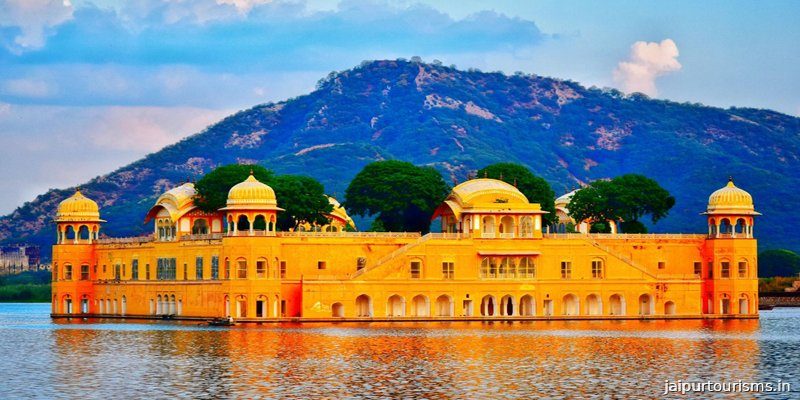
Jal Mahal
Amer Road, Jaipur
A serene palace appearing to float in the middle of Man Sagar Lake against the Aravalli backdrop.
 paid
paid
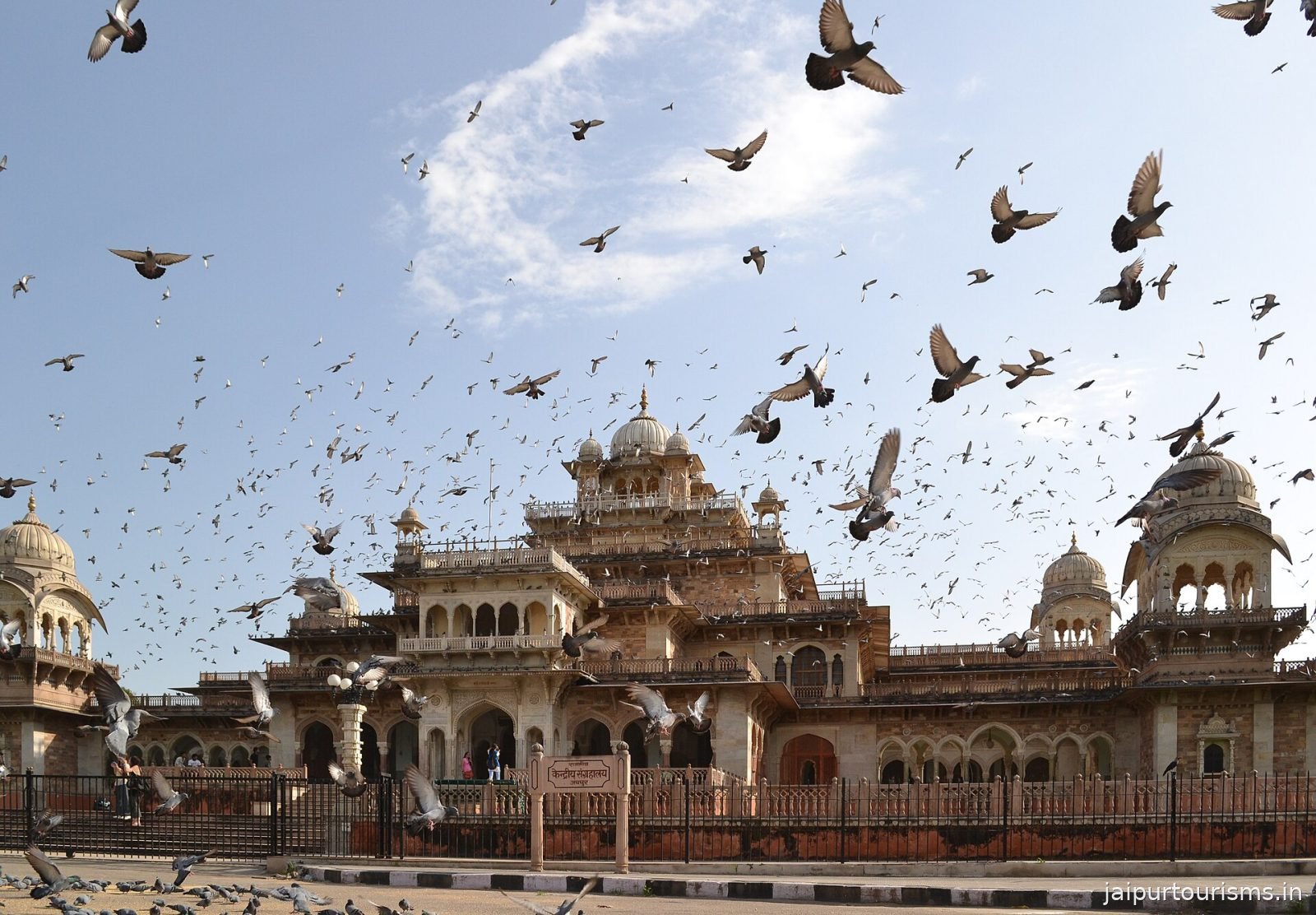
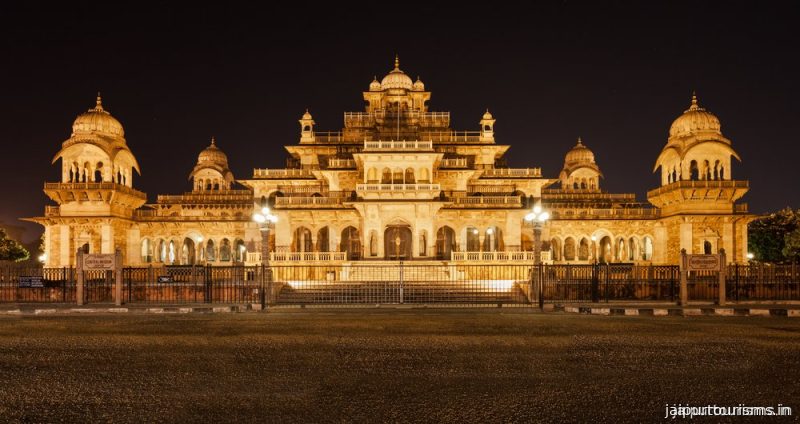
Albert Hall Museum
Ram Niwas Garden, Jaipur
A splendid Indo-Saracenic museum housing artefacts, paintings, an Egyptian mummy and decorative arts.
 free
Featured
free
Featured
Jawahar Circle Garden
Malviya Nagar, Jaipur
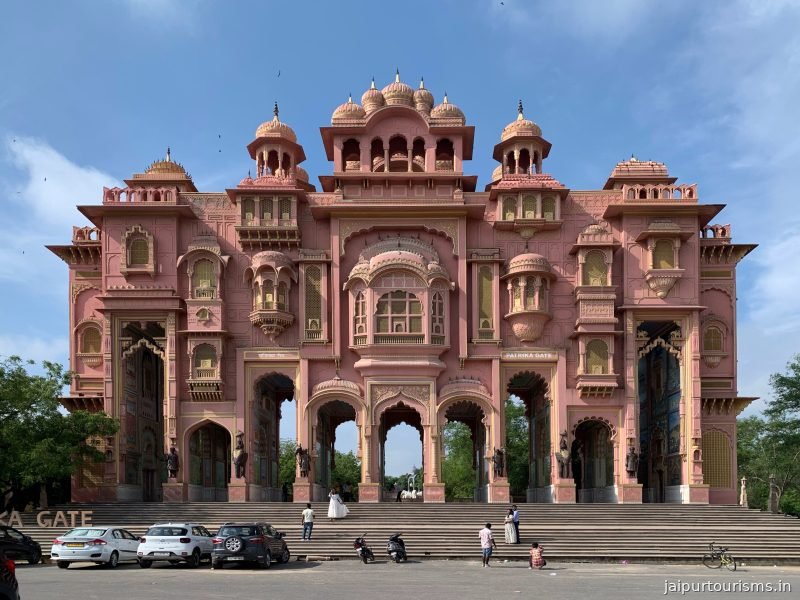
A vast circular garden around the Patrika Gate, with a rose garden, jogging track and musical fountain show.
About Jaipur Tourism
Jaipur Tourism (jaipurtourisms.in) is an independent online travel guide to Jaipur, the capital of Rajasthan. Our goal is to help visitors plan a great trip by bringing together, in one free and easy-to-use place, the information travellers actually need — from what to see and where to eat to practical details like entry fees, timings and how to get around.
What we provide. The site is a curated directory of Jaipur's attractions, temples, gardens, markets, restaurants, hotels and healthcare facilities, alongside original travel resources — itineraries, an entry-fee guide, opening timings, a weather guide, a metro guide and distance and budget calculators.
How our information is sourced & maintained. Venue details such as addresses, contact numbers, opening hours and locations are compiled from publicly available sources, including business listings and official information, and are reviewed and maintained by our team. Climate data is drawn from long-term historical records. We update the site regularly and show "last updated" dates on time-sensitive pages, but details like fees and timings can change — please verify them with the venue or an official source before your visit.
Editorial & independence. Jaipur Tourism is an informational travel guide. Listings are provided to help visitors and are not paid placements or advertisements — businesses cannot pay to be included or ranked, and a listing does not imply our endorsement. Where venues are ordered by popularity, that ordering is based on public ratings and review counts.
Contact us. We welcome corrections, additions and feedback. You can reach us through our contact page or by email at support@jaipurtourisms.in. See our Privacy Policy for how we handle data.
Ready to explore Jaipur?
Browse places to visit, upcoming events and travel tips for the Pink City.