Hawa Mahal
The Palace of Winds
About Hawa Mahal
Introduction
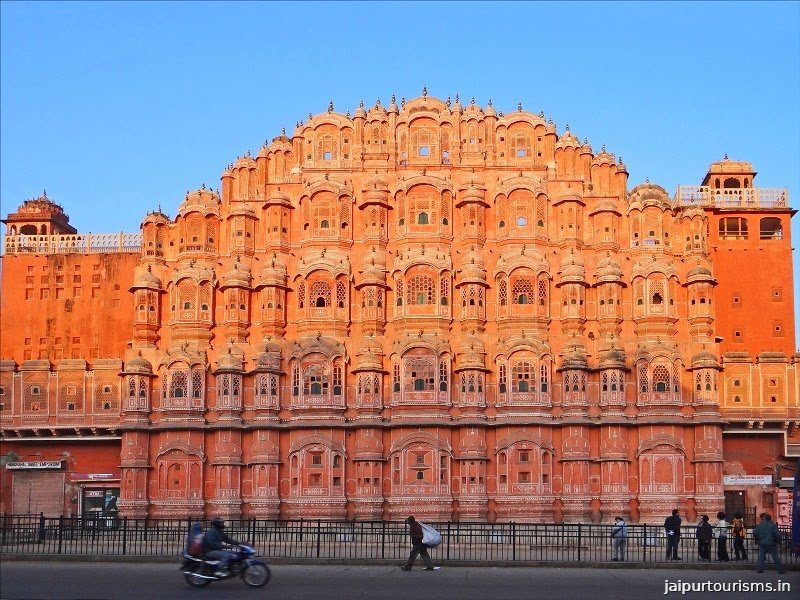
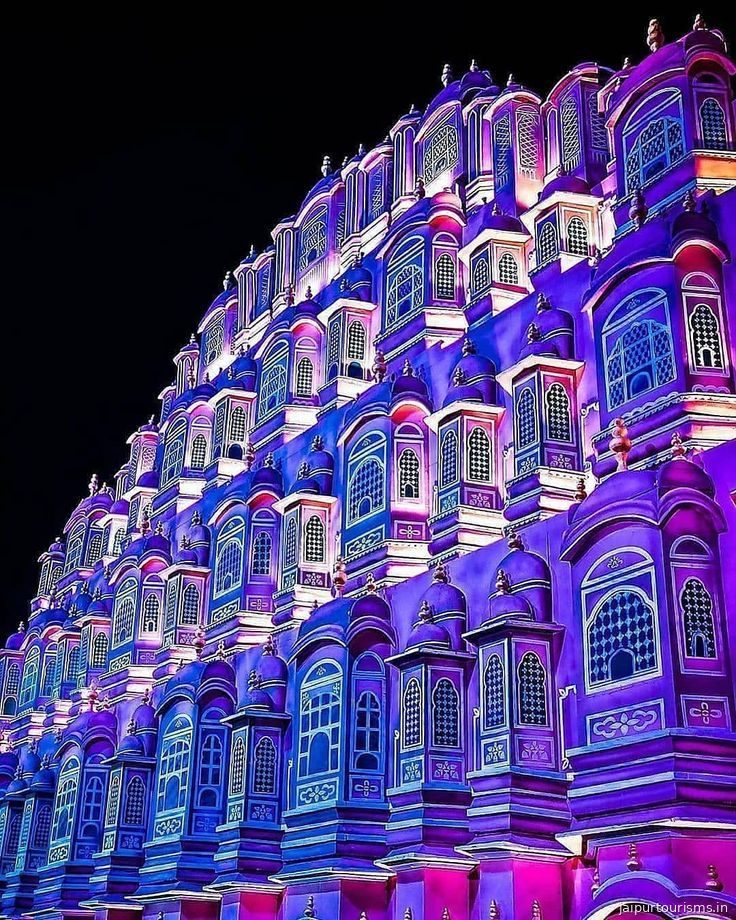
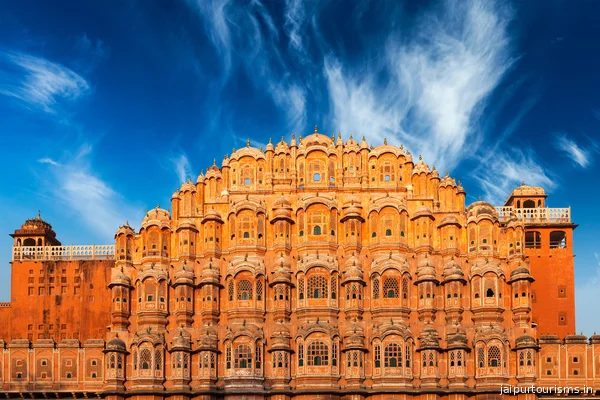
Hawa Mahal — the "Palace of Winds" — is Jaipur's most photographed monument and an icon of the Pink City. Its five-storey pink-sandstone façade rises above the busy Badi Chaupar bazaar, pierced by 953 small latticed windows, or jharokhas, that give the building its distinctive honeycomb look. The screens were designed so cooling breezes flow through the palace, which is how it earned its name.
History
Hawa Mahal was built in 1799 by Maharaja Sawai Pratap Singh and designed by the architect Lal Chand Ustad. It forms part of the larger City Palace complex. In an era of strict purdah, its many windows allowed the royal women to watch street processions, festivals and everyday life below without being seen. The five-tiered silhouette is often said to resemble the crown of Lord Krishna.
Why visit
Beyond the famous frontal view, the palace rewards those who step inside: gentle ramps (rather than stairs) climb between floors, and the upper levels offer sweeping views over the old city towards the City Palace and Jantar Mantar. The delicate stonework, coloured glass and airy chambers make it a highlight of any Jaipur itinerary.
Best time to visit
Arrive at opening time in the morning, when the east-facing façade glows in the soft sunrise light — this is also the best moment for photography and the quietest time to explore. October to March offers the most comfortable weather.
How to reach
Hawa Mahal sits at Badi Chaupar in the heart of the walled city. The nearest metro station is Badi Chaupar (Pink Line), a short walk away; Choti Chaupar is also close. Autos and app cabs reach it easily, and it is within walking distance of the City Palace, Jantar Mantar and the old-city bazaars, so the sights can be combined on foot.
Photography tips
The classic straight-on shot is taken from the rooftop cafés directly across the road — order a chai and shoot the full façade, ideally at sunrise. Inside, frame the city through the latticed windows for atmospheric detail shots.
How to reach Hawa Mahal
Hawa Mahal is located in Badi Chaupar, Jaipur (302002), listed under historical places in our Jaipur guide. The full address is Hawa Mahal Rd, Badi Choupad, J.D.A. Market, Pink City, Jaipur, Rajasthan.
Approximate distances from key hubs
- City Palace (old city centre) ≈ 0.2 km
- Sindhi Camp bus stand ≈ 3.1 km
- Jaipur Junction railway station ≈ 3.6 km
- Jaipur International Airport ≈ 11.2 km
Distances are straight-line approximations from the venue’s mapped location and will be longer by road.
Get directions on Google MapsLocation
Hawa Mahal Rd, Badi Choupad, J.D.A. Market, Pink City, Jaipur, Rajasthan
Gallery
Frequently Asked Questions
What are the Hawa Mahal timings?
Hawa Mahal is generally open every day from morning to early evening. Check the current opening hours shown on this page before you visit.
How much time do I need at Hawa Mahal?
Around 30–45 minutes is enough to see the façade and climb the floors for city views.
Where is the best spot to photograph Hawa Mahal?
From the rooftop cafés directly across the road, which give a clear frontal view of the whole façade — best at sunrise.
Which metro station is nearest to Hawa Mahal?
Badi Chaupar station on the Pink Line is closest, within a short walk.
Reviews ★ 4.4 (3122)
No reviews yet. Be the first to review Hawa Mahal!
Nearby attractions
Places closest to Hawa Mahal
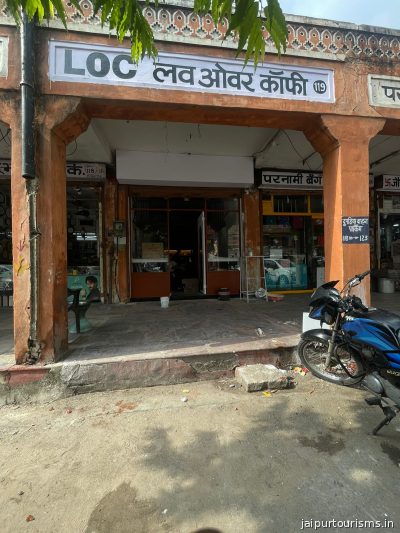 Love Over Coffee Tripolia Bazar
Cafés & Restaurants · 0.1 km away
Maniharon Ka Rasta
Markets & Bazaars · 0.1 km away
Love Over Coffee Tripolia Bazar
Cafés & Restaurants · 0.1 km away
Maniharon Ka Rasta
Markets & Bazaars · 0.1 km away
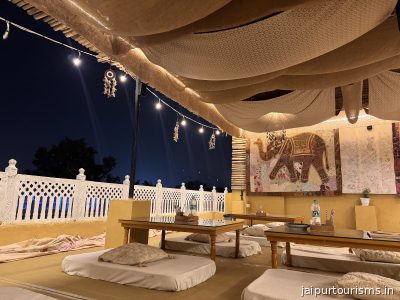 3 Brothers Rooftop Café
Cafés & Restaurants · 0.1 km away
3 Brothers Rooftop Café
Cafés & Restaurants · 0.1 km away
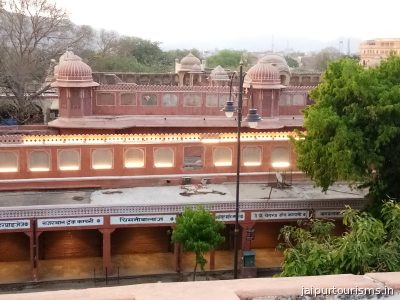 Friend India
Hotels & Stays · 0.1 km away
Friend India
Hotels & Stays · 0.1 km away
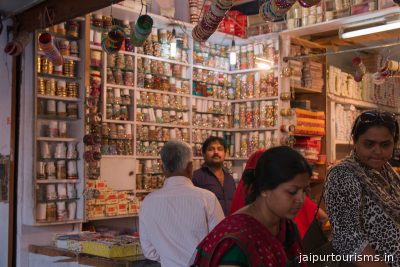 Tripolia Bazaar
Markets & Bazaars · 0.1 km away
Tripolia Bazaar
Markets & Bazaars · 0.1 km away
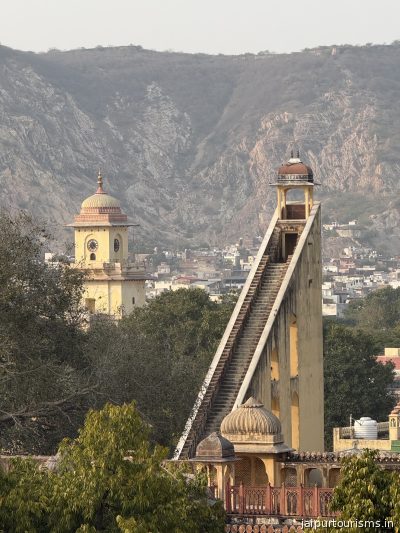 Sheel Mahal(Close to Hawa Mahal)
Hotels & Stays · 0.2 km away
Sheel Mahal(Close to Hawa Mahal)
Hotels & Stays · 0.2 km away
Similar places
More in Historical Places
 paid
Featured
paid
Featured
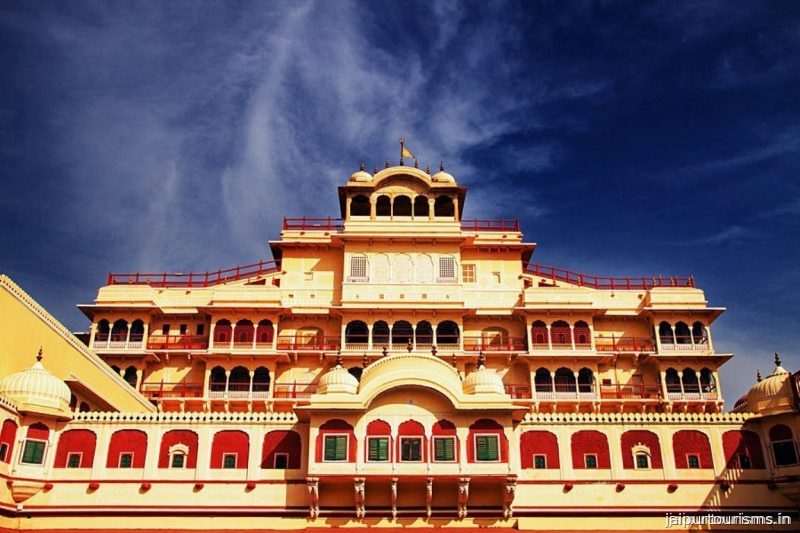
Amer Fort
Amer, Jaipur
A majestic hilltop fort of red sandstone and marble overlooking Maota Lake, and a UNESCO World Heritage Site.
 paid
Featured
paid
Featured
City Palace
Jalebi Chowk, Jaipur
A grand palace complex with Chandra Mahal, Mubarak Mahal, courtyards and museums, still partly home to the royal family.
 paid
Featured
paid
Featured
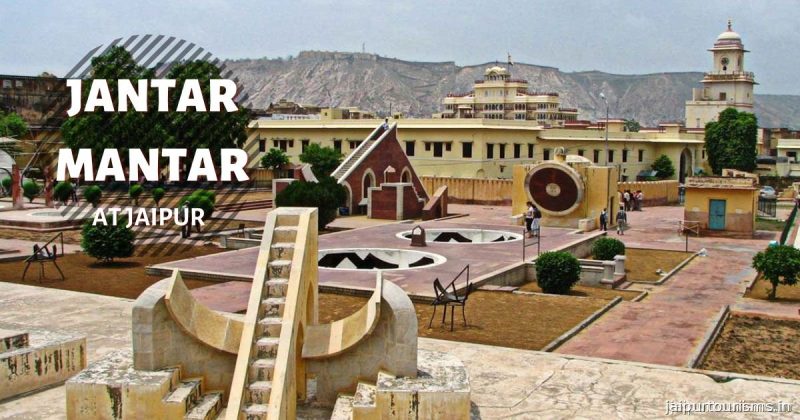
Jantar Mantar
Kanwar Nagar, Jaipur
A UNESCO World Heritage collection of 19 monumental masonry astronomical instruments, including the world's largest stone sundial.
 paid
Featured
paid
Featured
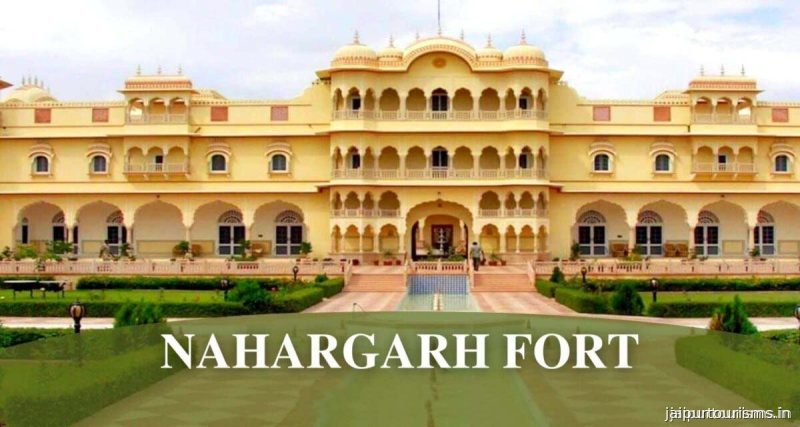
Nahargarh Fort
Krishna Nagar, Brahampuri, Jaipur
A ridge-top fort offering sweeping views over Jaipur, with the Madhavendra Palace and a sculpture park.