History of Jaipur
Three centuries of royal heritage, from its founding in 1727 to the vibrant metropolis of today.
From the visionary rule of Sawai Jai Singh II to its recognition as a UNESCO World Heritage City, explore the milestones that shaped the Pink City.
Sawai Jai Singh II Ascends the Throne
When his father Maharaja Bishan Singh died in 1699, the throne of Amber passed to his eleven-year-old son, Jai Singh II. Despite his youth, the young ruler quickly revealed a rare combination of talents — a shrewd statesman, a skilled diplomat, and a passionate scholar of mathematics and astronomy.
His abilities so impressed the Mughal emperor Aurangzeb that he bestowed upon him the title Sawai Read the full story →
Foundation of Jaipur
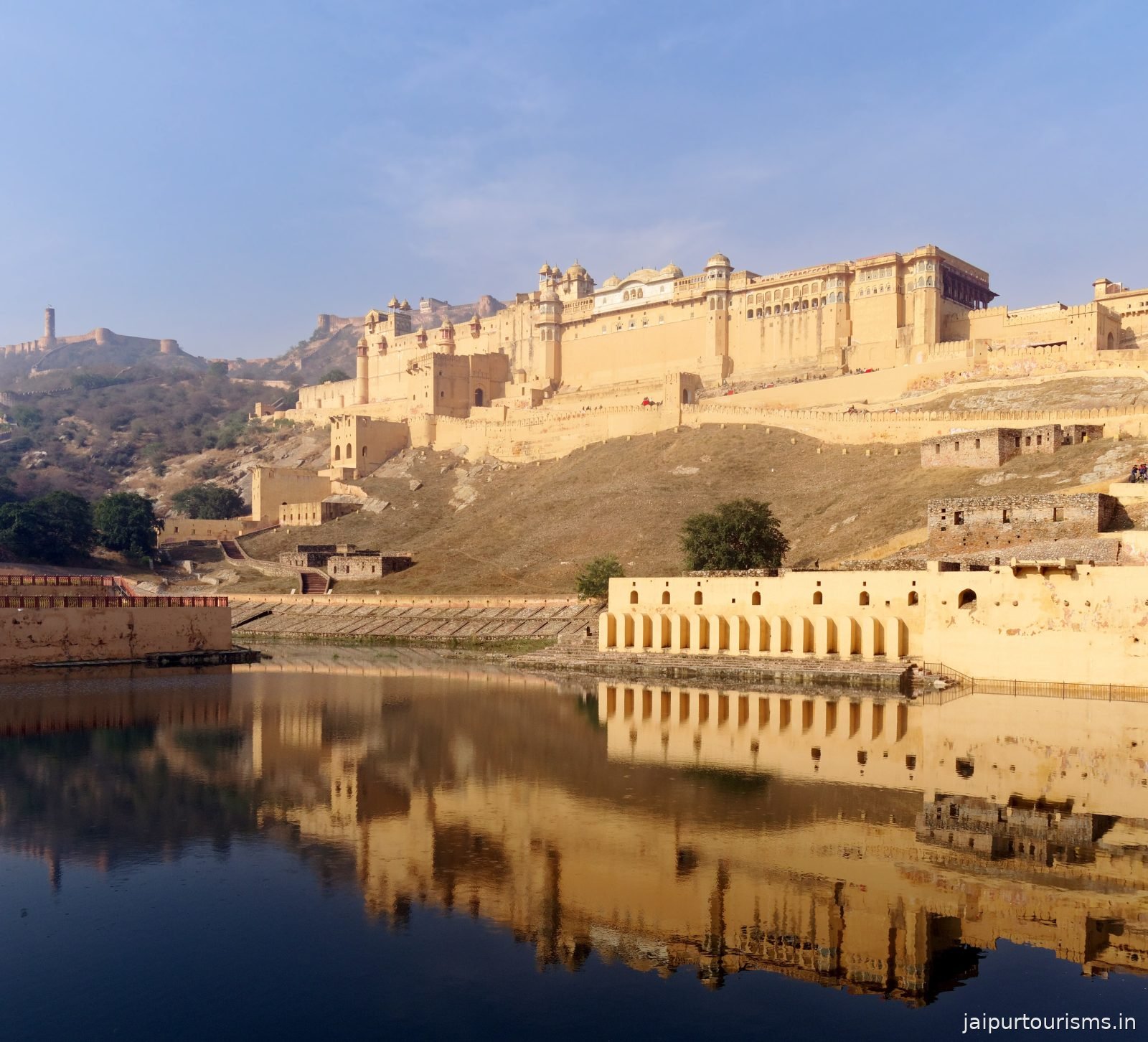
By the 1720s, the old capital at Amber had grown overcrowded and its hillside springs could no longer meet the city's needs. On 18 November 1727, Sawai Jai Singh II laid the foundations of a brand-new capital on the plains below, naming it Jaipur after himself.
Guided by his chief architect, the Bengali scholar Vidyadhar Bhattacharya, the city was laid out on a precise grid...
The City Palace is Built
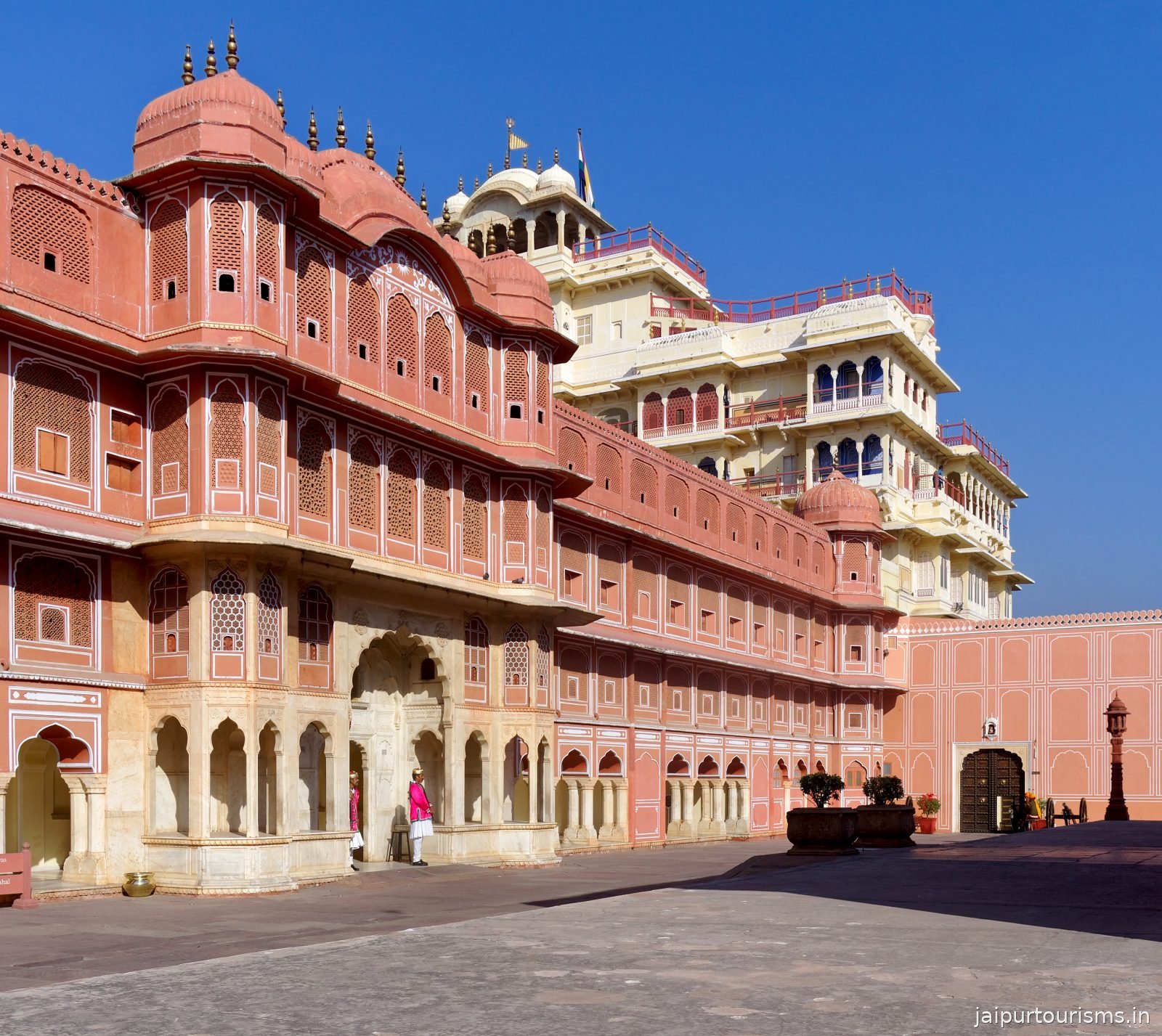
Alongside the new city, Jai Singh II raised a magnificent royal residence at its heart. The City Palace complex blends Rajput, Mughal and European architectural styles across a series of courtyards, gardens and grand buildings.
Its landmarks — the Mubarak Mahal, the seven-storey Chandra Mahal, and the Pritam Niwas Chowk with its four exquisitely painted seasonal doorways — remain, in part, t...
Jantar Mantar Completed
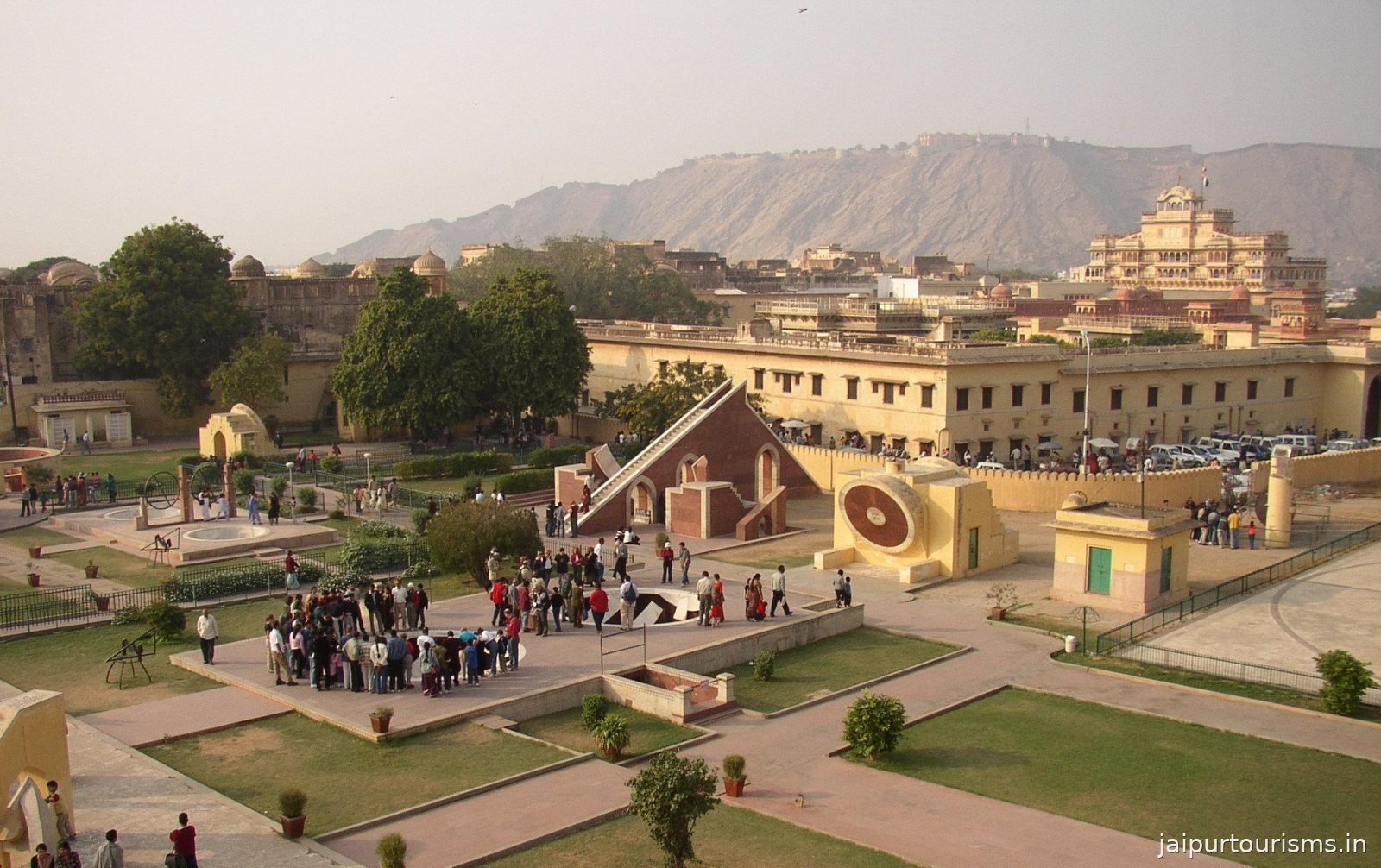
A devoted astronomer, Jai Singh II built five observatories across northern India; the grandest stands in Jaipur. Completed in 1734, the Jantar Mantar houses nineteen monumental masonry instruments designed to measure time, track celestial bodies and predict eclipses.
Its greatest instrument, the Vrihat Samrat Yantra, is the world's largest stone sundial, accurate to within...
Construction of Hawa Mahal
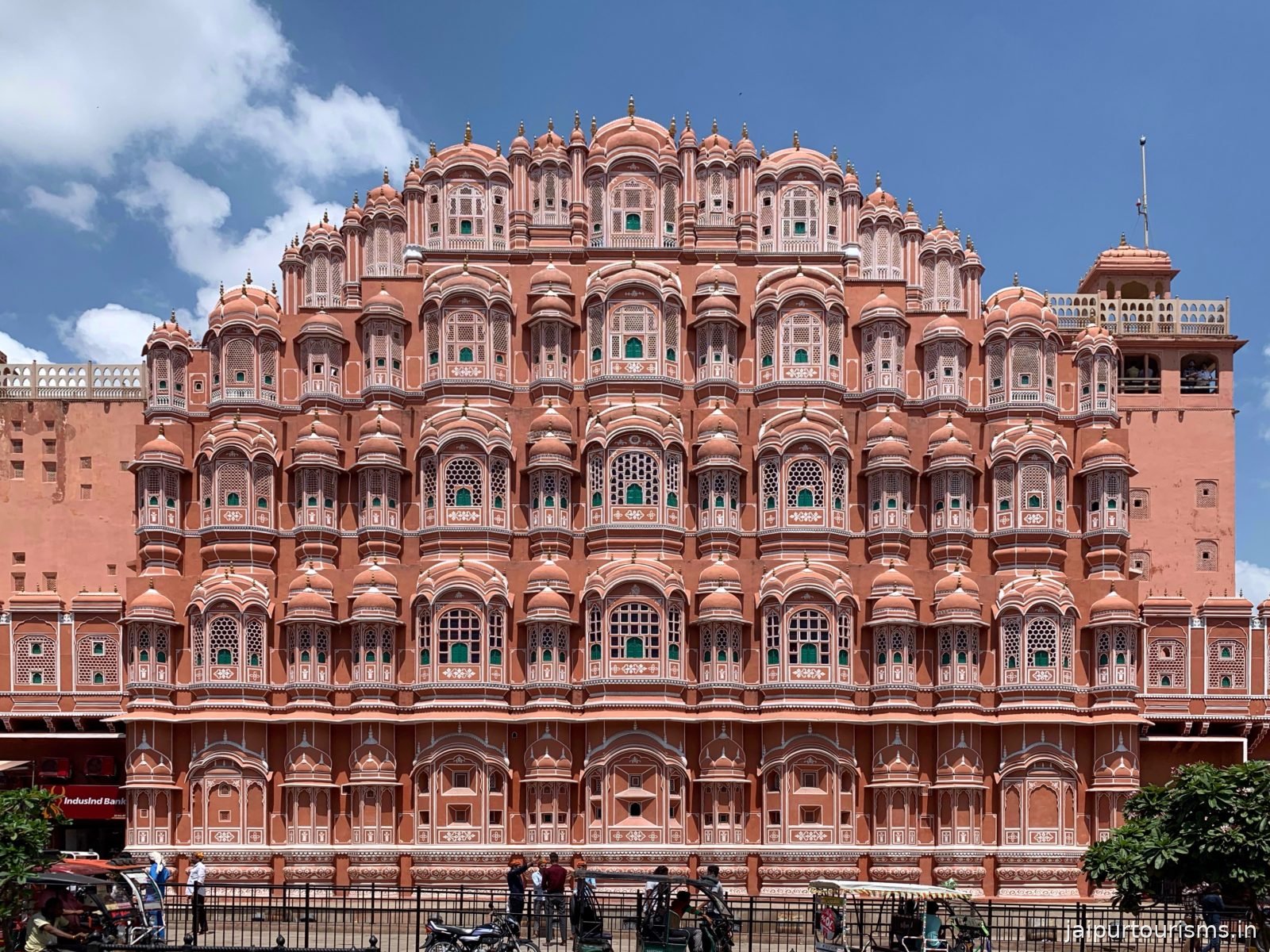
In 1799, Maharaja Sawai Pratap Singh commissioned what would become Jaipur's most iconic silhouette. Designed by the architect Lal Chand Ustad in the form of Krishna's crown, the Hawa Mahal — the "Palace of Winds" — rises five storeys in pink sandstone.
Its honeycomb façade of 953 small latticed windows (jharokhas) allowed the royal ladies of the court to observe the bustle...
Jaipur is Painted Pink
In 1876, the city dressed itself in the colour for which it is now world-famous. To welcome Albert Edward, the Prince of Wales (later King Edward VII), Maharaja Sawai Ram Singh II ordered the entire old city painted in a warm terracotta pink — traditionally the colour of hospitality.
The gesture left a permanent mark: to this day, buildings within the walled city are required by law to maint...
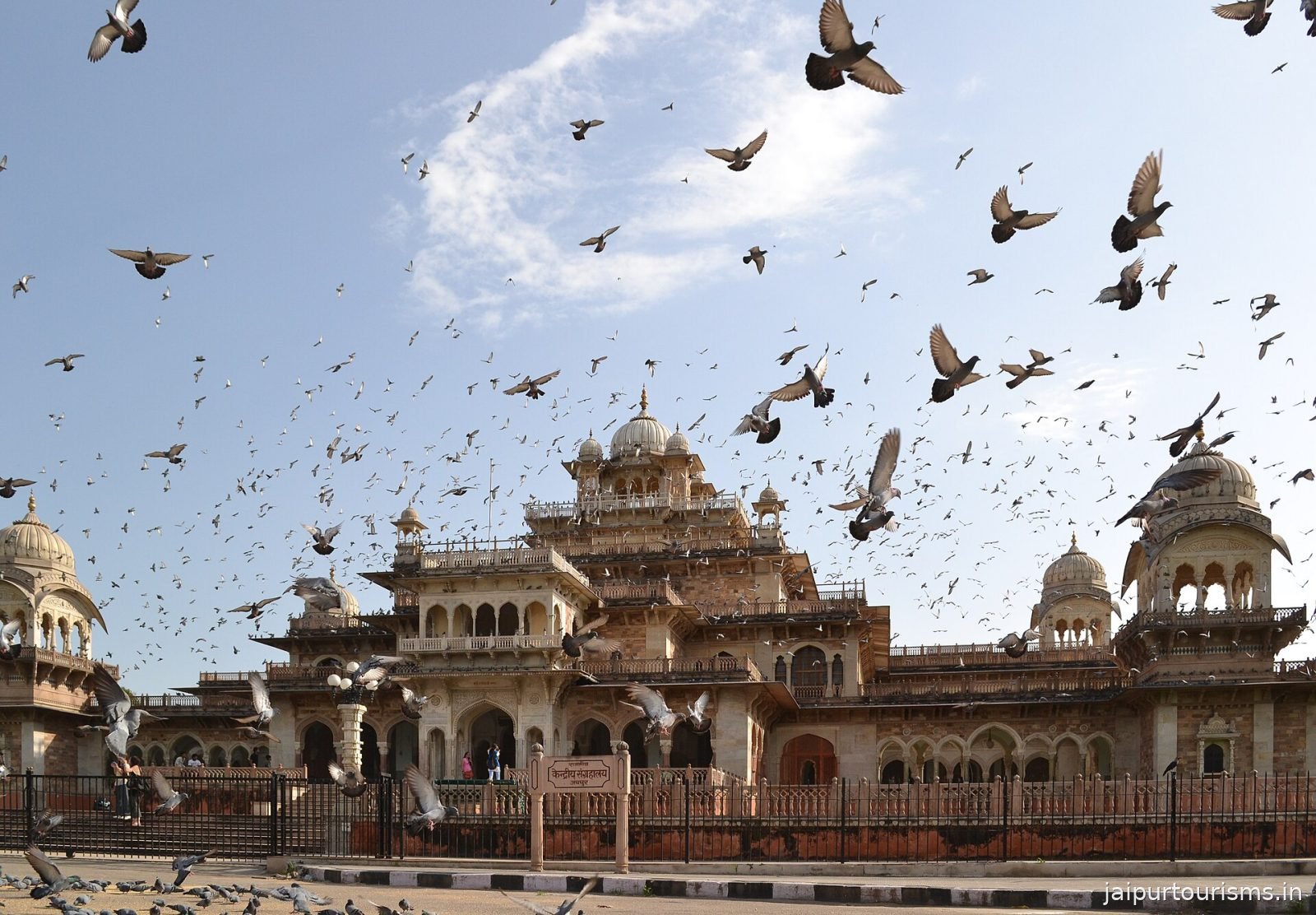
Jaipur Becomes Capital of Rajasthan
After India's independence in 1947, the many princely states of Rajputana were merged to form the new state of Rajasthan. On 30 March 1949, Jaipur — the largest and most developed among them — was chosen as the capital of the united state.
The former princely city thus began a new chapter as a modern administrative and commercial centre, while carefully preserving the heritage of its royal p...
A UNESCO World Heritage City
In July 2019, the walled city of Jaipur was inscribed on the UNESCO World Heritage List, recognised as an exceptional example of urban planning that blends ancient Hindu, Mughal and contemporary Western ideas.
The honour placed Jaipur among a select group of living heritage cities, celebrating not just its monuments but the enduring vitality of its bazaars, streets and traditions three centu...
History Articles
Read deeper into Jaipur's past