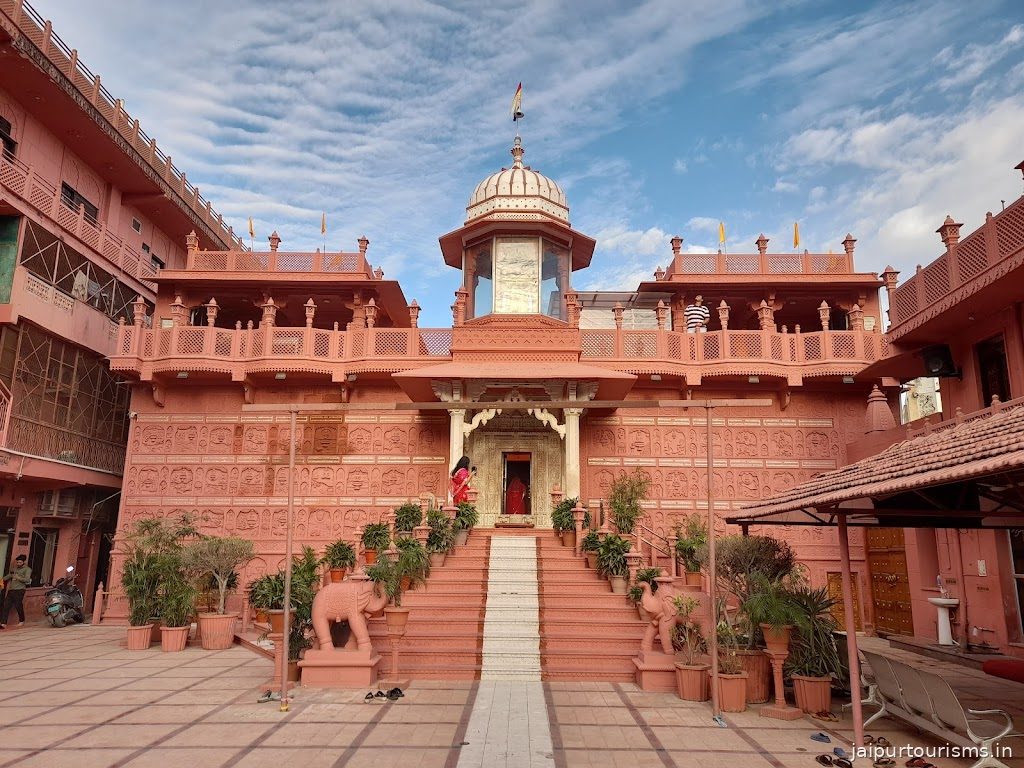
Sanghiji Digambar Jain Temple
Prominent red-stone Jain temple
About Sanghiji Digambar Jain Temple
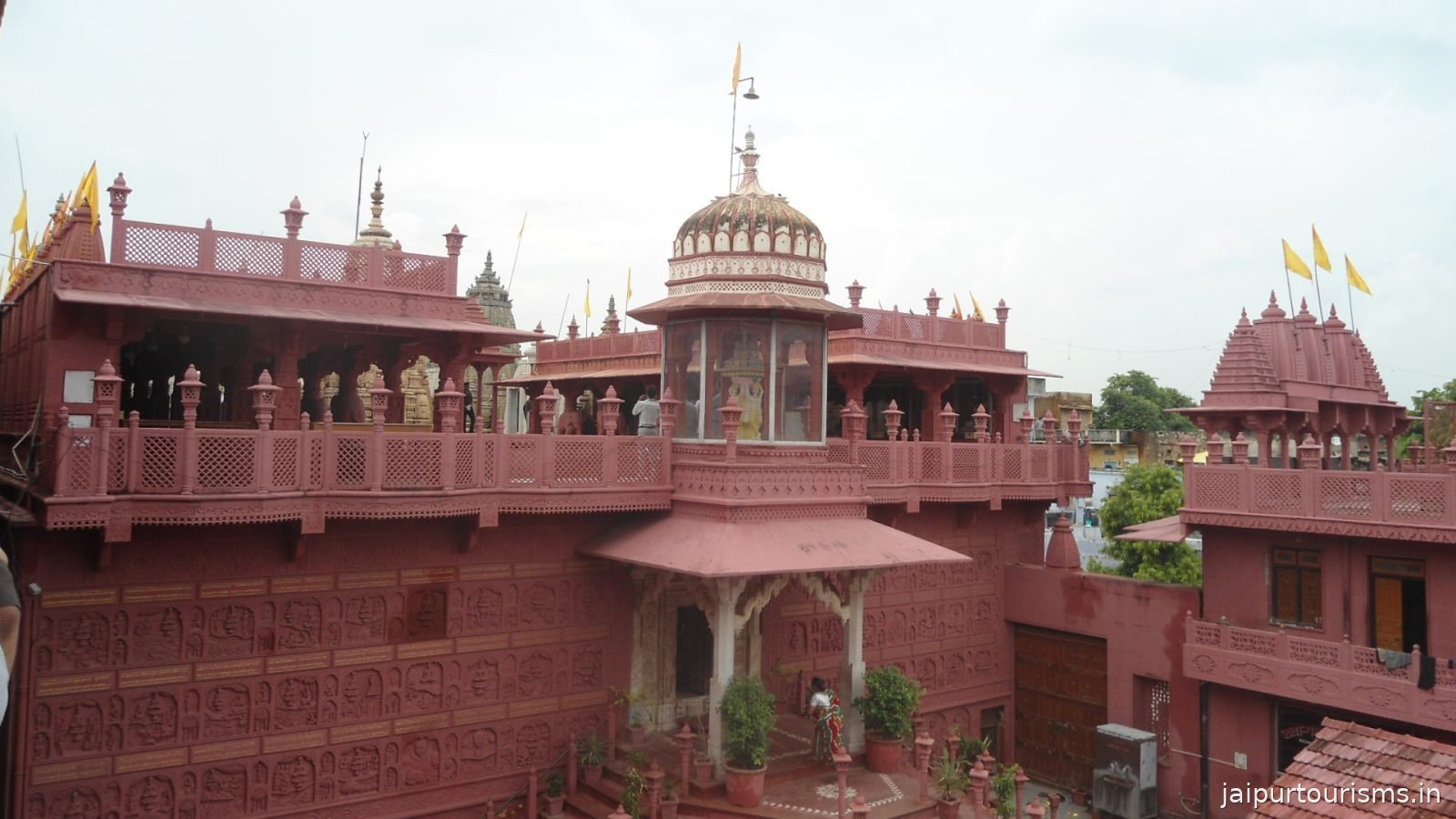
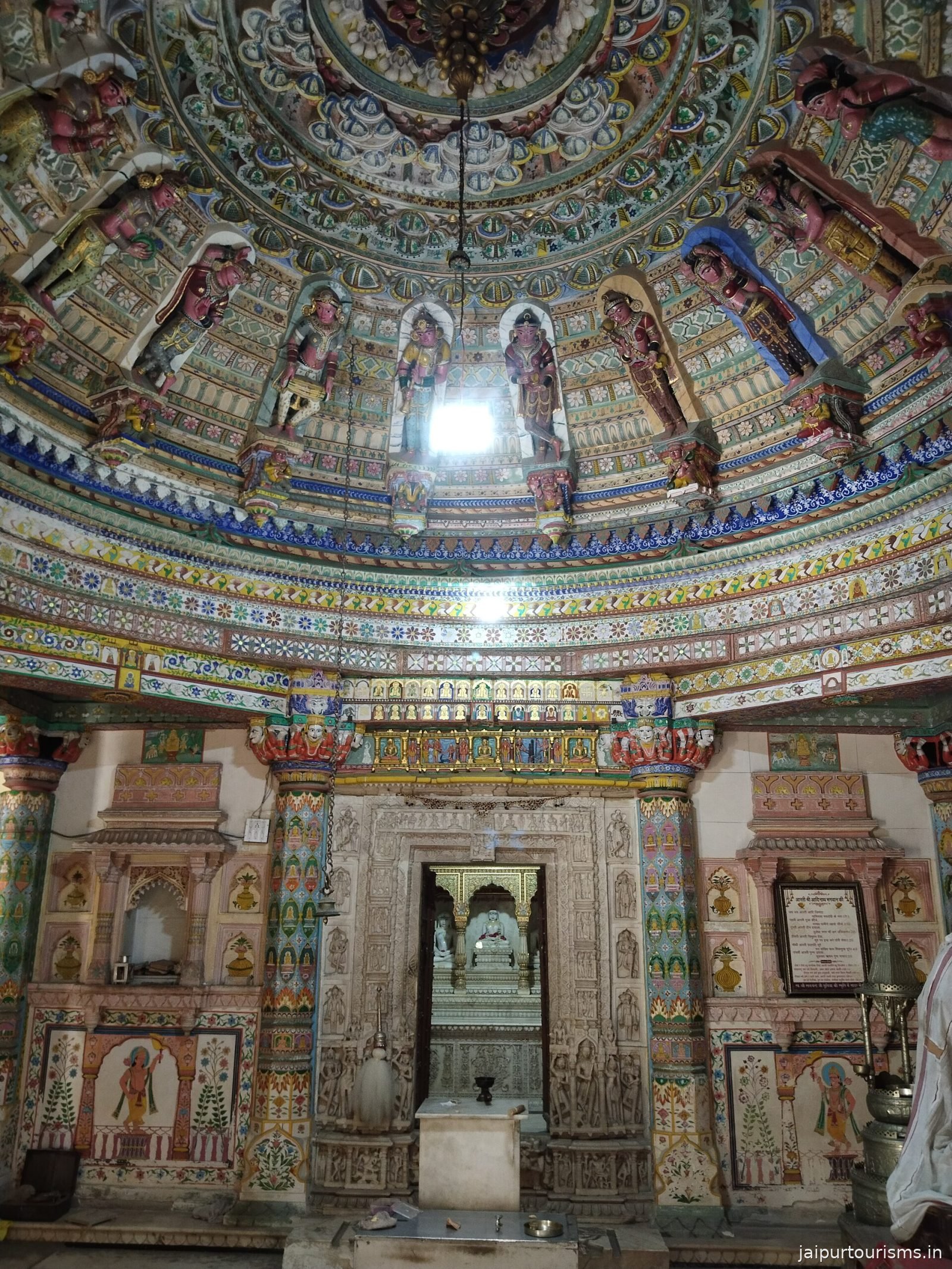
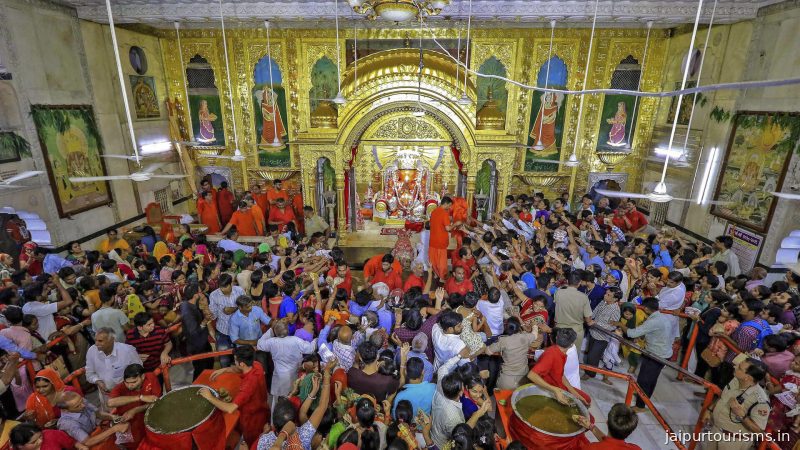
Located in Sanganer, about 16 km from central Jaipur, the Sanghiji Shri Digambar Jain Temple is among Rajasthan's most revered Jain shrines. Built largely of red stone, its soaring shikhars and finely carved interiors draw pilgrims and admirers of temple architecture alike.
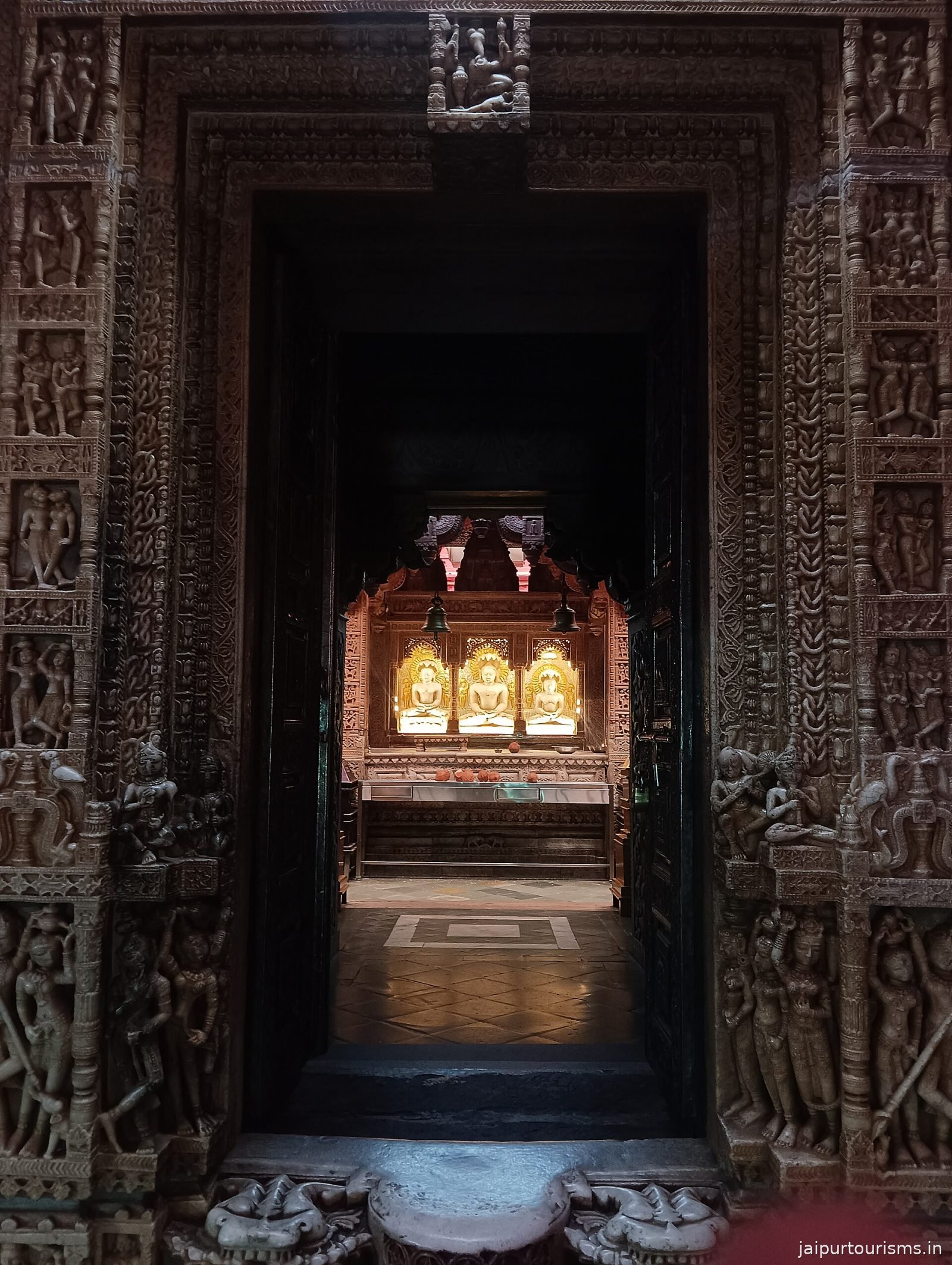
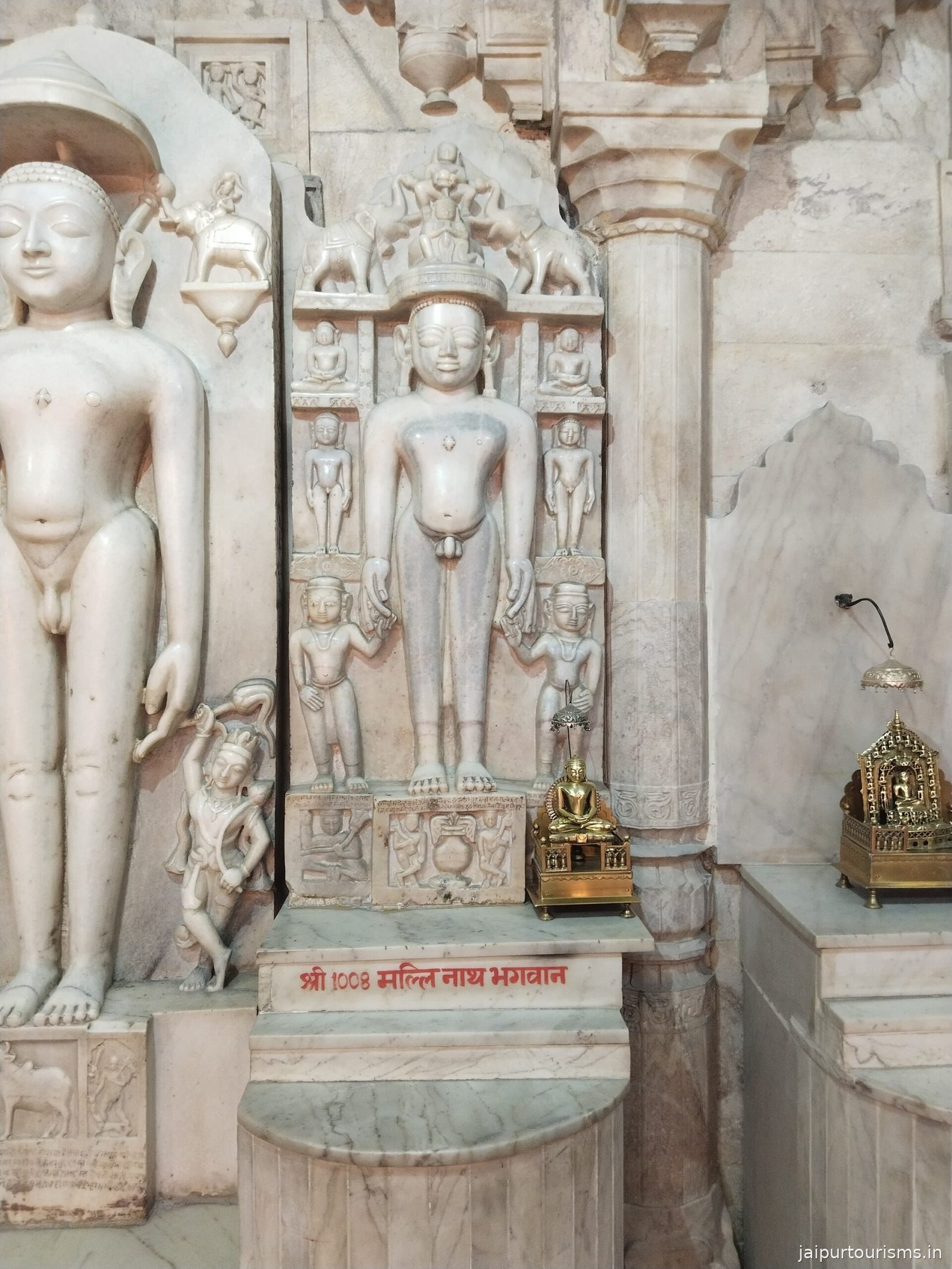
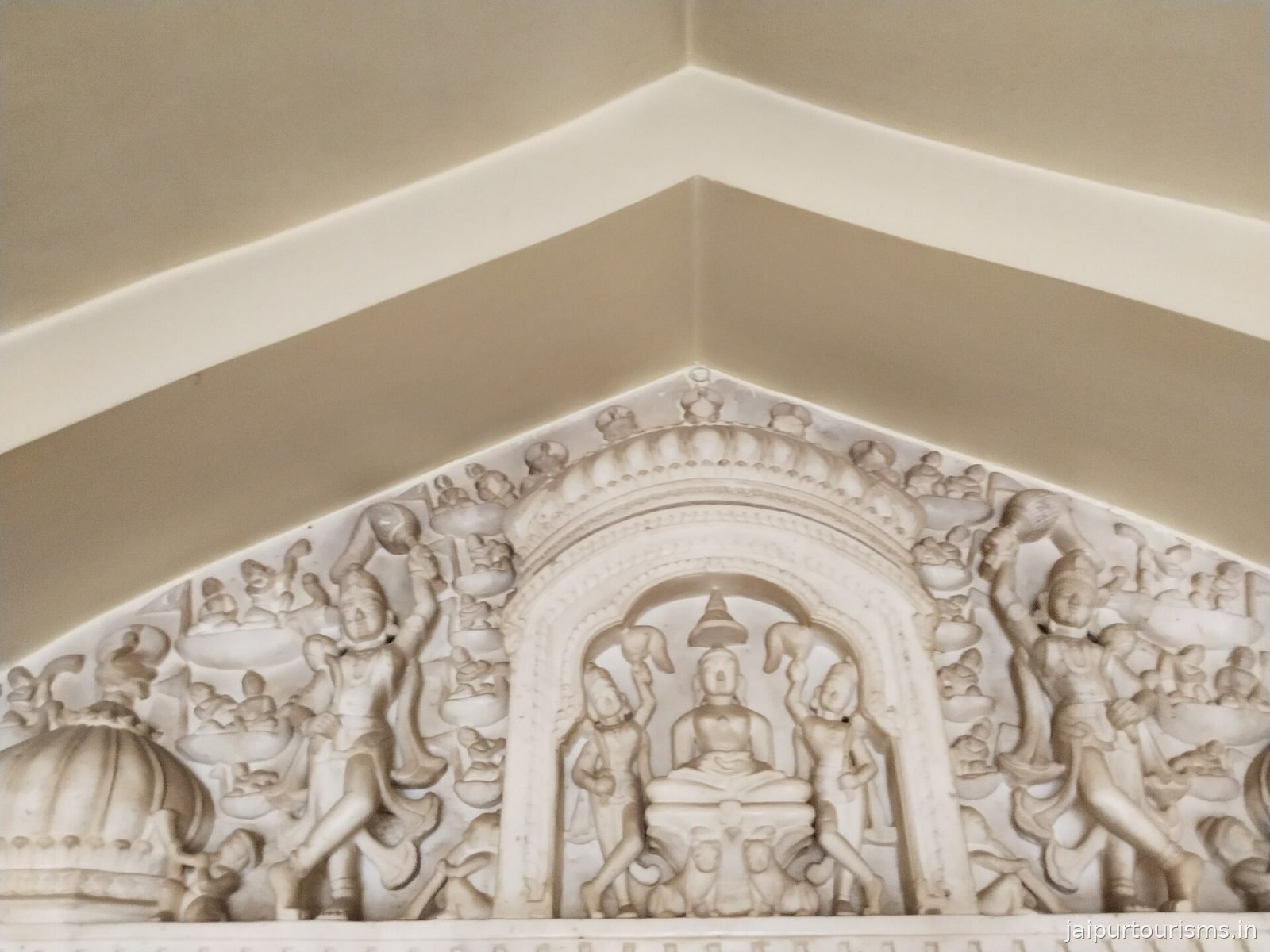
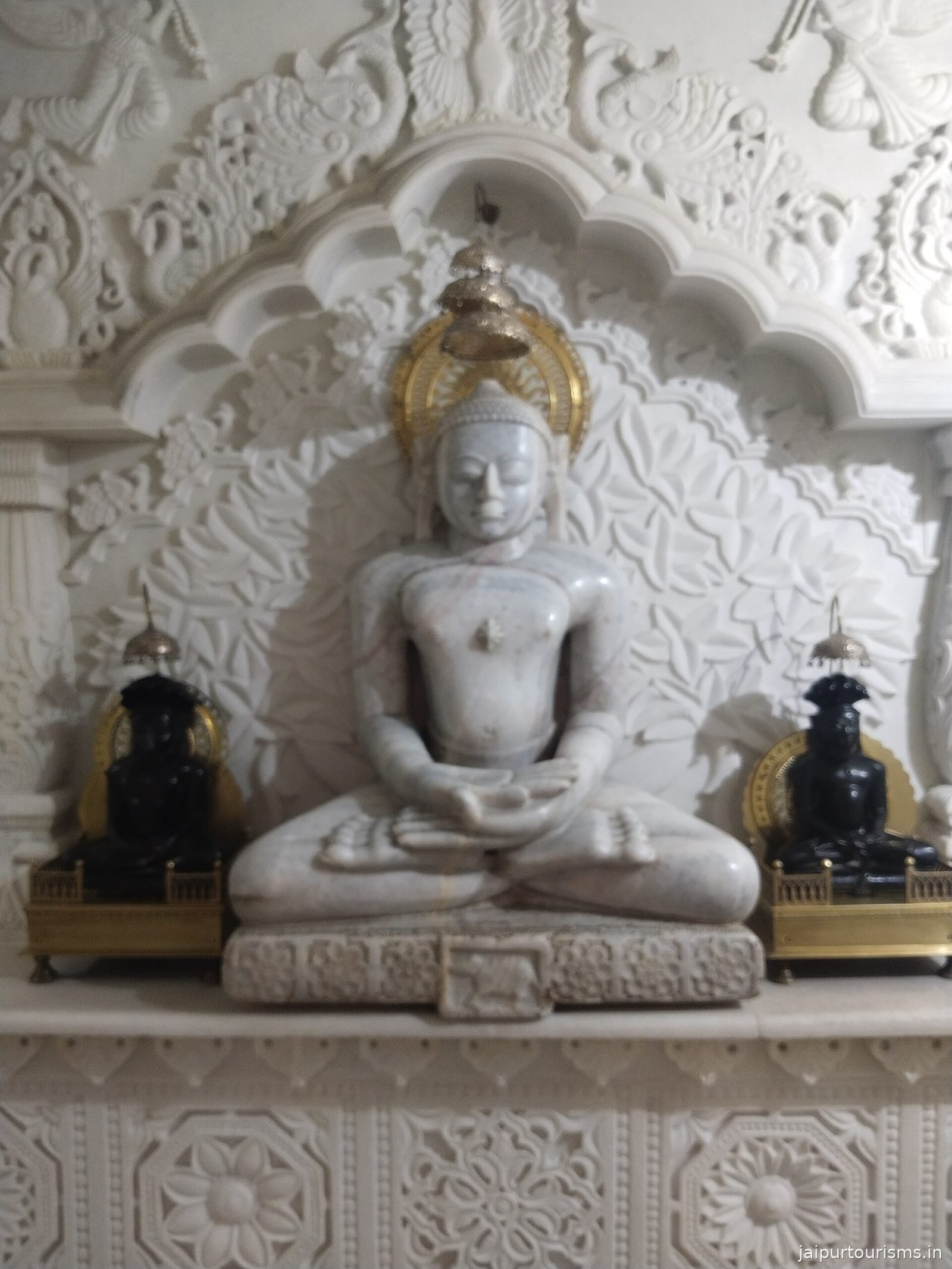
Shri Digambar Jain Atishay Kshetra Mandir Sanghiji, Sanganer: An Extraordinary Introduction. **Antiquity of the Temple:** Upon entering the temple, the murals carved on the walls of the courtyard reveal that the structure dates back to the 8th–10th century. In the temple's second courtyard stands a massive stone altar featuring three spires; the stone craftsmanship—depicting lotus flowers, creepers, and elephants performing *jalabhishek* (ritual anointing with water) over the heads of Tirthankaras—is truly magnificent. Surrounding this courtyard are four corridors and three smaller shrines housing numerous idols. Inscriptions on these idols indicate ages ranging from 1,500 to 2,500 years; these inscriptions serve as a historical legacy. **Devotees' Faith:** The *Moolnayak* (principal deity) idol situated at the rear of the altar is that of Lord Adinath. This idol is of great antiquity. Jain Acharyas and Munis have described this extraordinary idol as one that evokes the direct presence of Lord Jinendra. Devotees find relief from ailments by seeking refuge in the idol, and its remembrance instills enduring spiritual strength. According to the sages, the idol’s appearance seems to transform at every moment, offering fresh spiritual direction. This highly miraculous idol, dating back to the *Chaturth Kaal* (the fourth era of the cosmic cycle), is renowned as "Sanganer Wale Baba."
Munishri Sudhasagarji Maharaj has expounded upon the glory of "Sanganer Wale Baba’s" miracles, having perceived them through history, inscriptions, and his own spiritual insight. Since then, thousands of devotees daily fulfill their wishes and find liberation from adversities through *darshan* (viewing) of Baba. Anyone who performs rituals such as *Pujan*, *Abhishek*, *Aarti*, or offers *Deep* (lamps) and *Chhatra* (ceremonial umbrellas) benefits from Baba’s miraculous grace, thereby bringing auspiciousness to their domestic, worldly, and spiritual lives. In other words, devotees address the 'Baba' of Sanganer by various names, such as *Sankatmochan* (Reliever of Distress), *Shantidata* (Bestower of Peace), *Vighnahar* (Remover of Obstacles), and *Chaturthkalin Chamatkari Baba* (Miraculous Baba of the Fourth Era).
The most remarkable feature of this temple is its seven-story structure; situated in the center of the basement is an ancient *Jin Chaityalaya* (Jain shrine) guarded by *Yakshadeva*. A unique aspect of this shrine is that only a *Bal-Yati* (an ascetic who renounced the world at a young age) and *Digambar* monk—possessing immense spiritual power derived from his penance—can enter the sanctum where it resides. When bringing the shrine out, the practicing monk must make a solemn vow (*Sankalp*) specifying the duration for which it will remain above ground for the devotees to view and the exact time it will be returned to its underground abode. It is mandatory to return the shrine underground within the vowed timeframe; any delay results in the appearance of various inauspicious omens. This is the temple's most significant miraculous attribute, clearly demonstrating its antiquity. It was in 1933 that *Charitra Chakravarti* Acharya Shri Shantisagar Ji Maharaj, utilizing his spiritual prowess, first brought these miraculous, divine idols out from the underground chamber for public viewing.
Elders recount an interesting anecdote: Acharya Shri 108 Shantisagar Ji Maharaj visited Sanganer in 1933 and stayed at this temple. One night, he had a vision of this divine underground shrine in a dream. The next morning, he gathered the temple's *Panchas* (community leaders), recounted the dream, and inquired about the entrance to the underground shrine. He then had the door opened and entered. Maharaj-shri remained inside the cavernous chamber for two days. During this time, he beheld 64 idols, 88 small *Yantras* (mystical diagrams), and two large *Yantras*. Upon emerging, he informed the *Panchas* of his discovery and took the head *Panch* and four other leaders back into the chamber with him. Subsequently, the entire *Chaityalaya* (shrine) was brought out for public viewing. Access to the path leading further into the cave was strictly prohibited; a stone plaque was installed bearing the inscription, "Do not attempt to go beyond this point." Furthermore, a five-year moratorium was established regarding the retrieval of the *Chaityalaya*, and the community leaders (*Panchas*) were made to take a solemn oath not to remove it before the lapse of this period—a record of which is preserved in the temple's ledger from that year. In later years, the shrine was brought out by Acharya Shri Deshbhushan Ji Maharaj (1971), Acharya Shri Vimalsagar Ji Maharaj (1986), Ganadharacharya Shri Kunthusagar Ji Maharaj (1992), and Muni-pungav Shri Sudhasagar Ji Maharaj (1994 and 1999).
From June 20 to June 24, 1999, the underground *Jina* idols were revealed for a sacred viewing (*Amrit-siddhi Darshan*) and a *Mahamastakabhishek* (grand anointing ceremony) involving 1,008 *Kalashas* (ritual vessels) was performed. Muni Shri 108 Sudhasagar Ji Maharaj—drawing upon the spiritual power (*Tapobal*) accumulated through a lifetime of ascetic practice—retrieved an additional 32 *Jina* idols from the fourth underground level (situated below the third level) for the first time. He displayed them to a gathering of approximately one million people, thereby sanctifying their lives. After bringing out these underground *Jina* idols—which were believed to be guarded by *Yakshas*—for public viewing, Muni Shri remarked, "People travel far and wide seeking to alleviate the world's troubles. I say that while the idols of Sanganer possess miraculous powers, there is also a unique miracle in simply bowing to the Sanganer temple—a miracle unmatched anywhere else in the world—because this temple is imbued with such extraordinary spiritual energies (*Varganas*)."
Regarding the miraculous nature of the temple, there is a legend that about 25 to 30 years ago, celestial beings (*Devas*) would descend from the heavens to offer their obeisance after midnight. Jain and non-Jain families living near the temple recount hearing the approach of these divine beings; the sound of horses' hooves would travel up to the temple and then come to a halt. From inside the closed temple, the distinct sounds of gongs and bells ringing could be heard. Later, the sound of the horses' hooves departing would be audible. Upon opening the temple in the morning, water droplets would be found on several idols.
How to reach Sanghiji Digambar Jain Temple
Sanghiji Digambar Jain Temple is located in Sanganer, Jaipur (302029), listed under temples in our Jaipur guide. The full address is Bus Stand, Serail Rd, Tikky Colony, Dada Gurudev Nagar, Sanganer, Jaipur, Rajasthan.
Approximate distances from key hubs
- Jaipur International Airport ≈ 2.5 km
- Jaipur Junction railway station ≈ 11.7 km
- Sindhi Camp bus stand ≈ 12.6 km
- City Palace (old city centre) ≈ 12.9 km
Distances are straight-line approximations from the venue’s mapped location and will be longer by road.
Get directions on Google MapsLocation
Bus Stand, Serail Rd, Tikky Colony, Dada Gurudev Nagar, Sanganer, Jaipur, Rajasthan
Gallery
Reviews ★ 4.4 (2341)
No reviews yet. Be the first to review Sanghiji Digambar Jain Temple!
Nearby attractions
Places closest to Sanghiji Digambar Jain Temple
 Hotel Rudra Inn
Hotels & Stays · 1.1 km away
Hotel Rudra Inn
Hotels & Stays · 1.1 km away
 FabHotel Shekhawati Heritage - Hotel in Sitapura, Jaipur
Hotels & Stays · 1.4 km away
FabHotel Shekhawati Heritage - Hotel in Sitapura, Jaipur
Hotels & Stays · 1.4 km away
 Treebo Premium Vinnie
Hotels & Stays · 1.5 km away
Treebo Premium Vinnie
Hotels & Stays · 1.5 km away
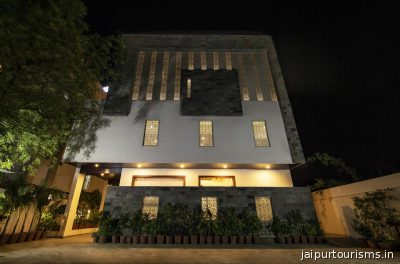 Shahpura Residency
Hotels & Stays · 1.6 km away
Shahpura Residency
Hotels & Stays · 1.6 km away
 Hotel Anju Shree Inn
Hotels & Stays · 1.6 km away
Hotel Anju Shree Inn
Hotels & Stays · 1.6 km away
 Hotel Purple Orchid
Hotels & Stays · 1.7 km away
Hotel Purple Orchid
Hotels & Stays · 1.7 km away
Similar places
More in Temples
 free
Featured
free
Featured
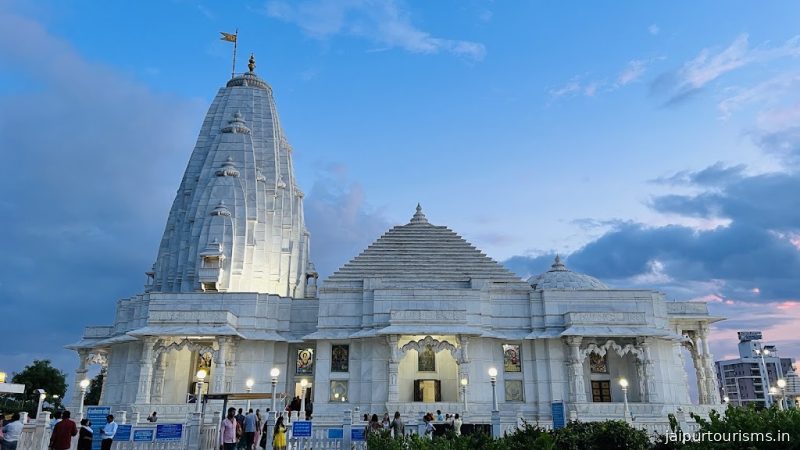
Birla Mandir Jaipur
Tilak Nagar, Moti Dungri, Jaipur
A serene white-marble temple dedicated to Vishnu (Narayan) and Lakshmi, glowing beautifully at night.
 free
Featured
free
Featured
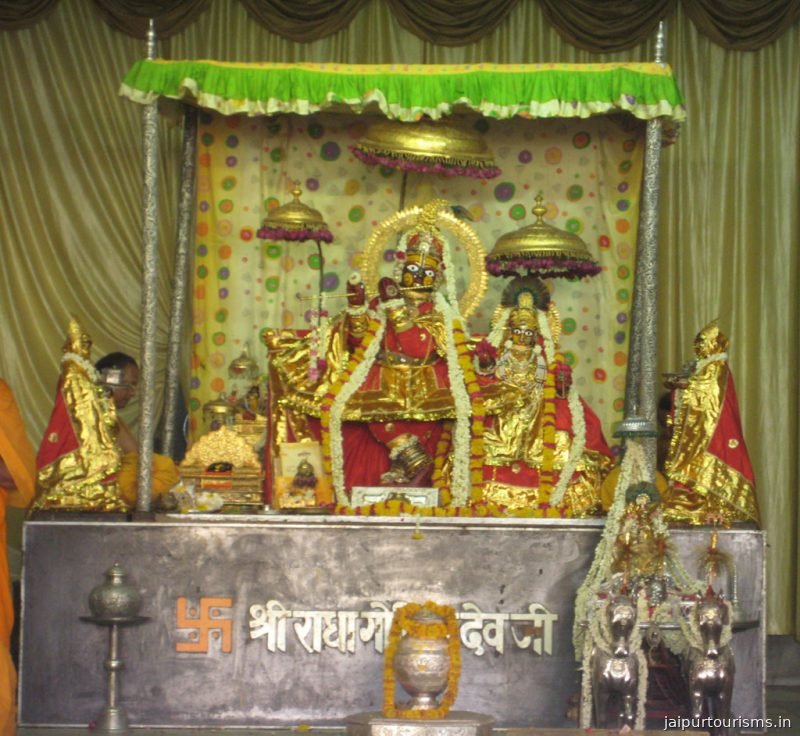
Govind Dev Ji Temple
Jalebi Chowk, Jaipur
One of India's most revered Krishna temples, where thousands gather for the seven daily aartis.
 free
free
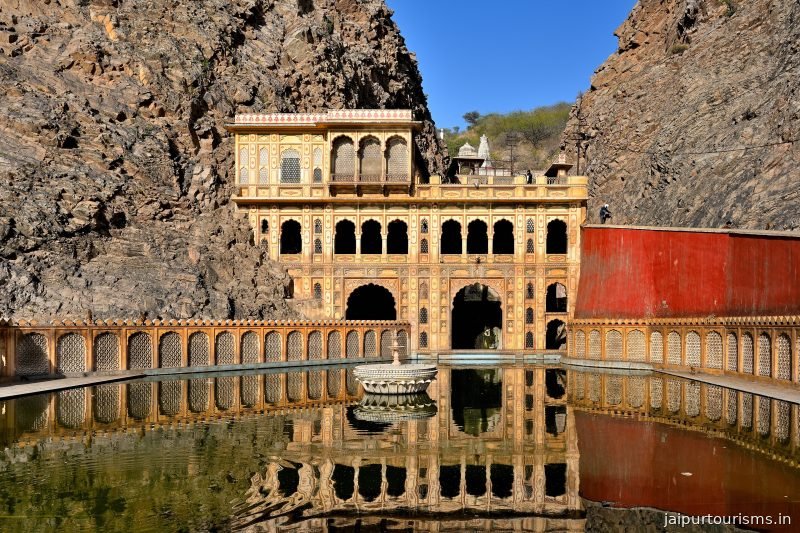
Galtaji Temple
Galta, Jaipur
A pilgrimage complex set in a mountain pass with natural spring-fed kunds and resident monkeys.
 free
free
Moti Dungri Ganesh Temple
JLN Marg, Jaipur
A hilltop Ganesh temple hugely popular with locals, especially on Wednesdays and during Ganesh Chaturthi.